

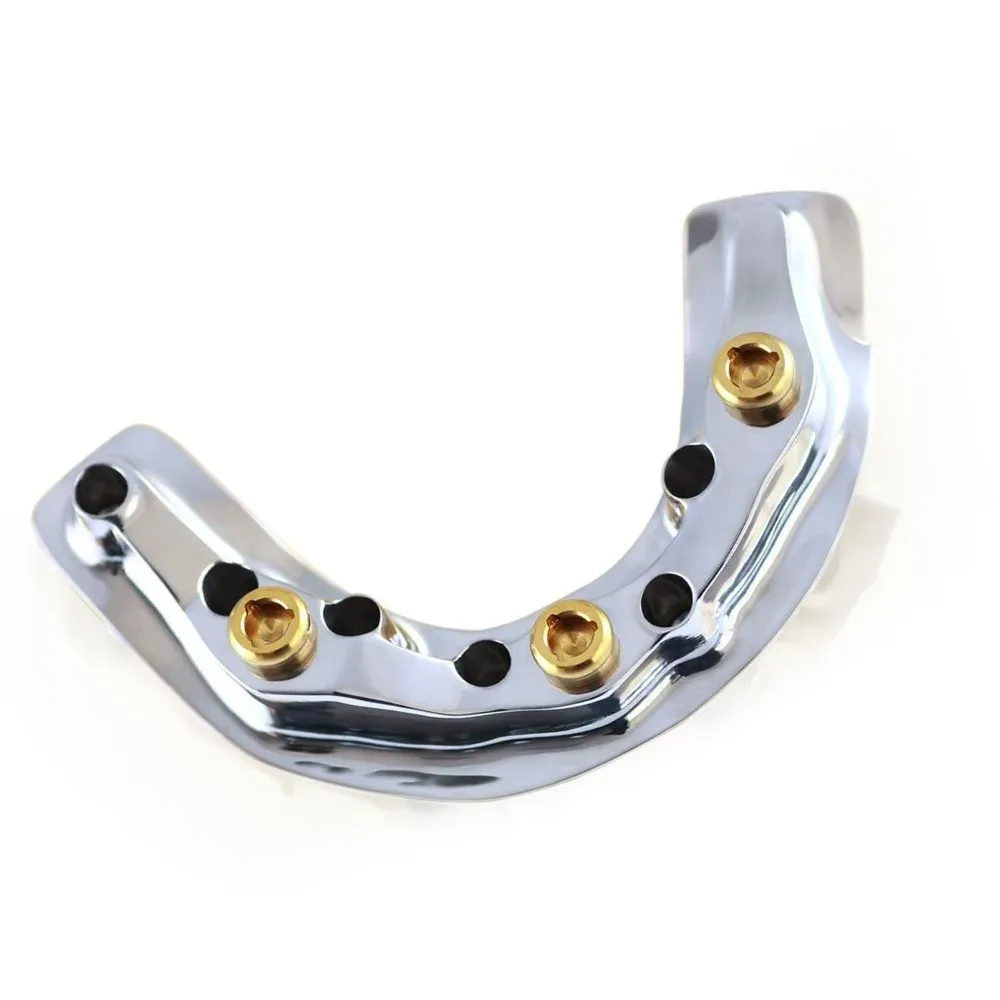
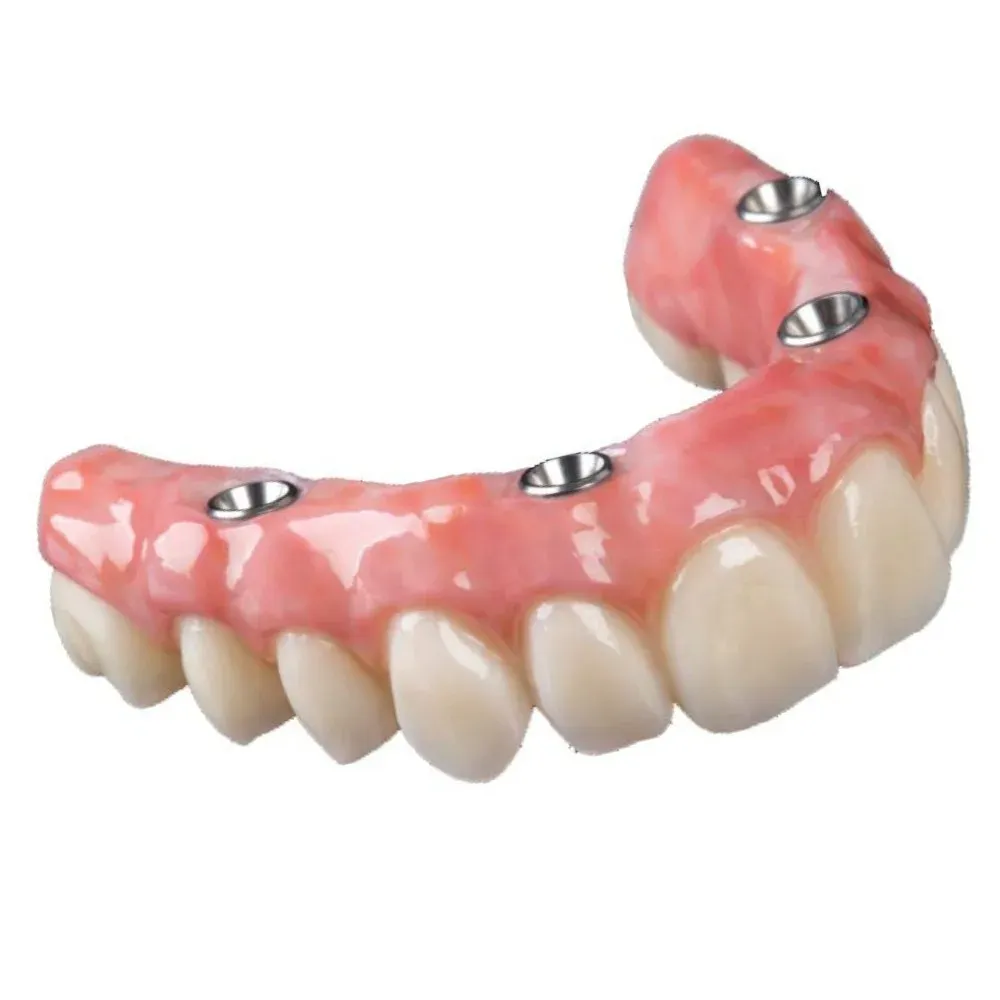
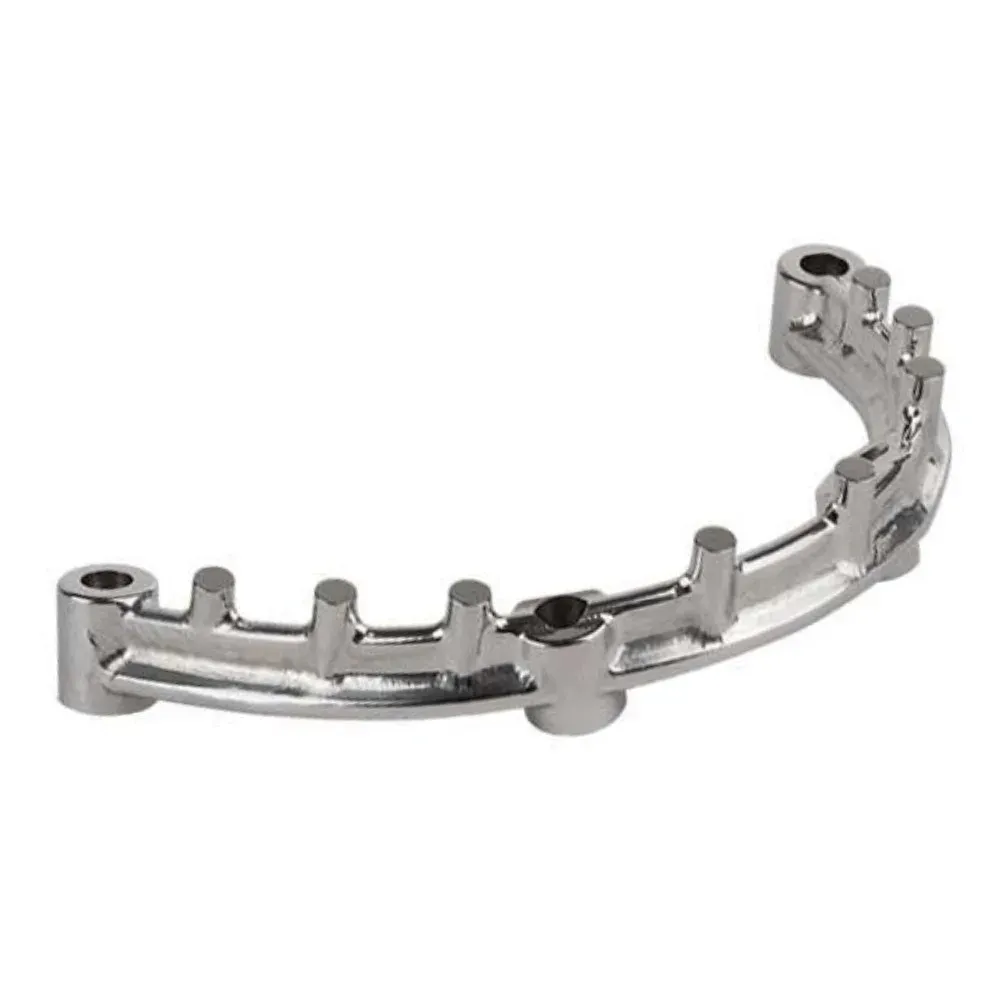
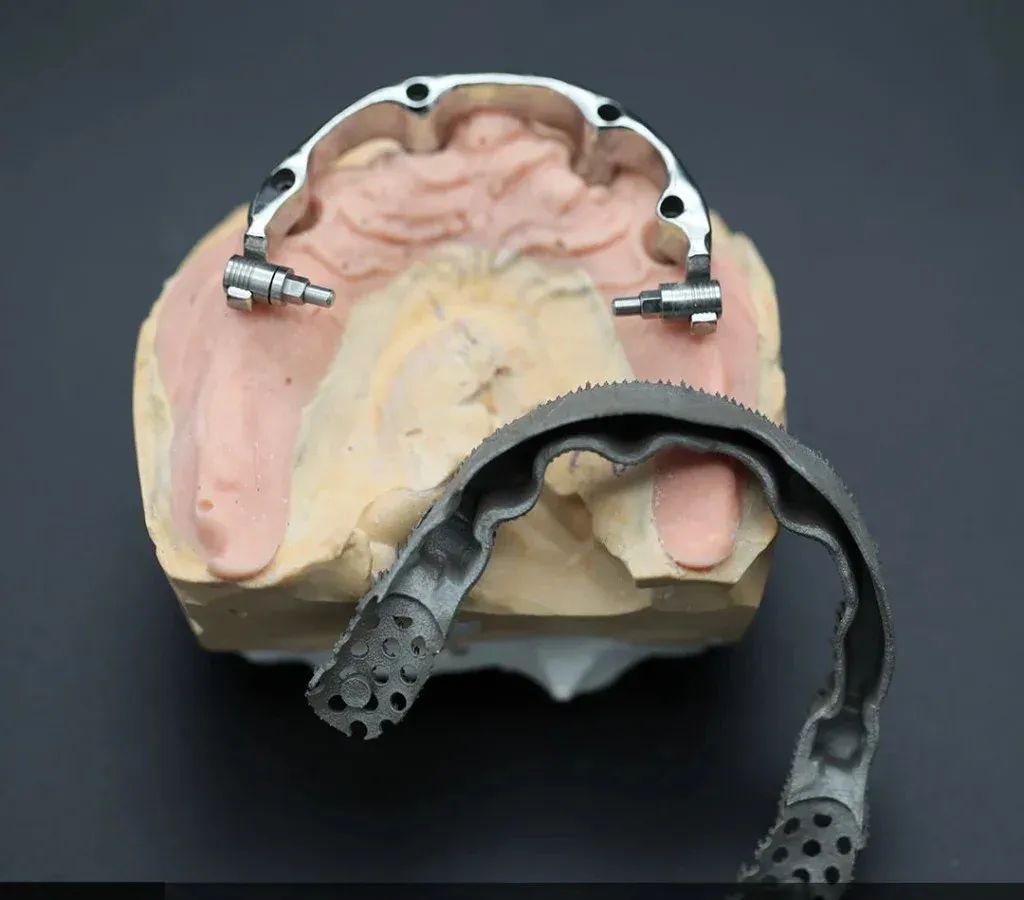
Overdenture Bars

Retention the patient can live with, and clearance underneath they can actually clean — the two things dentists should settle before a bar-retained overdenture is milled.

The patient takes this one out every night. Overdenture bars splint the implants and retain a removable prosthesis — but the design that succeeds is the one built around hygiene clearance, not just retention.

Jahn De Khudikine, Founder · Universal Dental Lab
Jahn De Khudikine Founder · Universal Dental Lab

Why send it here

Clip misalignment shows up when the denture won't snap home. We set retention in the bar design.

A practice's schedule lives or dies by the lab — I've watched one late case push back a whole day of chair time.

So I still know the cases moving through this lab, and I answer for how each one is made. Send a case here and it doesn't drop into a queue — it lands with me and one technician who carries it start to finish.

Start a case
Milled titanium
Cut from a solid blank so the bar seats passively across the fixtures Splints the implants; retains a prosthesis the patient removes
Cleansable by design
Hygiene clearance built under the bar before housings are processed Passive fit checked implant by implant on the master model
Your technician
One person holds your case Reach them directly — no call-center queue
Free scanner
3Shape TRIOS 6 for partners Go fully digital at no cost

Retention Comparison

Bar, Individual Attachments, or Fixed?

Three ways to retain a full-arch implant prosthesis. Splinting, support and cleaning are what actually separate them — pick the one the case needs.

Milled titanium overdenture bar on the master model with attachment housings
Overdenture Bars You are here
Individual stud attachments seated on implants, denture intaglio above
Implant-Supported Dentures
Screw-retained fixed implant bar with the prosthesis in place
Fixed Implant Bars
Retention Bar with clips, splinting the implants Individual attachments on each implant, unsplinted Screw-retained; the patient does not remove it
Support Implant- and tissue-supported Implant- and tissue-supported Fully implant-supported
Cleaning Prosthesis out; bar and tissue cleaned directly Prosthesis out; attachments cleaned individually Cleaned in the mouth, around the intaglio

This compares how a full-arch prosthesis is retained, not blank-vs-blank — a milled titanium bar is how an overdenture bar is made, not an alternative to it. Attachment type and bar cross-section are decided per case against the implant distribution and available restorative space. Tell us at intake whether you want bar-and-clip or stud-style retention — it changes the design.

Material
CAD/CAM milled titanium
Support
Implant- and tissue-supported
Retention
Bar-and-clip or stud attachments
Turnaround
Quoted per case at intake
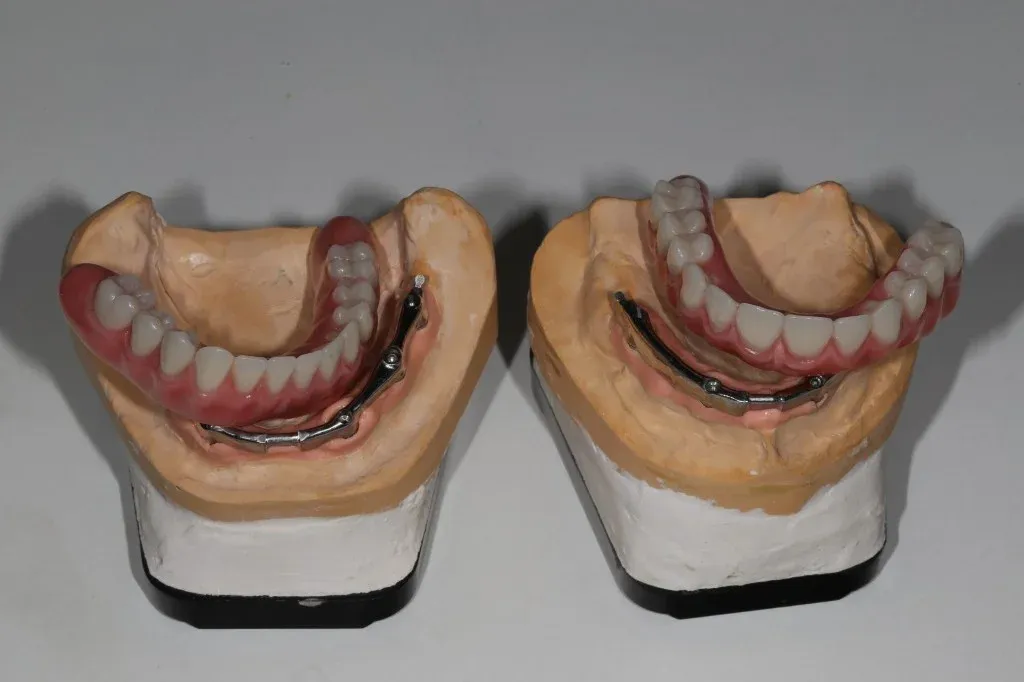
Milled titanium overdenture bar seated on the master model, attachment clips in place

Overview

Retention Without Sacrificing Hygiene

The patient takes this one out every night. That single fact should drive the whole design, and often it is the one thing the design ignores.

Overdenture bars splint two or more implants and retain a removable prosthesis with clips or attachment housings. The prosthesis stays implant- and tissue-supported — the denture base still carries part of the load across the ridge, which is why the fitting surface still matters and why these cases need relining as the ridge remodels.

  • Splinted for stability: The bar shares load between the implants, correcting a path of insertion that divergent fixtures would otherwise fight.

  • Retention that adjusts: It lives in replaceable inserts, tuned chairside once the patient has actually worn the prosthesis — not milled in permanently.
Learn more
A technician checking passive fit of the bar, screwed down implant by implant on the model

At the Bench

Passive on the Model, Cleansable in the Mouth

Two things get checked on every overdenture bar before housings go anywhere near the denture base, and they are not the same check. A bar that seats beautifully and cannot be cleaned is a failed restoration on a slower timeline.

  • Passive fit: Screwed down implant by implant, every other connection watched for lift.

  • Hygiene clearance: Confirmed under the bar along its whole length, not just at the midline.

  • Attachment position: Checked against the denture base thickness available over it before housings are processed.

Learn more

Before you mill

A bar seated hard against the tissue leaves the patient no way to clean beneath it, and the tissue answers within a few months. We treat hygiene clearance under the bar as a design requirement, not a nicety — if the restorative space will not allow both that clearance and a denture base of adequate thickness, we would rather tell you before milling than hand you a maintenance problem.

Case Selection

When an Overdenture Bar Is the Right Call

Indicated for

  • Edentulous arches where the patient needs to remove and clean the prosthesis themselves
  • Cases needing lip and facial support that a flange provides and a fixed hybrid cannot
  • Splinting two or more implants to stabilize a denture that currently rocks
  • Patients with limited manual dexterity who clean better with the prosthesis out of the mouth
  • Arches where implant distribution supports retention but not a full fixed cantilevered prosthesis

Consider an alternative when

  • The patient wants a prosthesis that never comes out — that is a fixed bar, and the design differs
  • Restorative space is too shallow for a bar, the attachment housings and the denture base over them
  • Only a single implant is present; a solitary attachment gives retention without the bar
  • Hygiene under the bar cannot realistically be maintained — the tissue will tell you within months

Specifications

Overdenture Bar Specifications

Retention, support and hygiene data for planning a bar-retained implant overdenture.

Typical specifications for the implant overdenture bars we mill.
Function Splints the implants and retains a prosthesis the patient removes — retention and stability, not full load transfer
Material CAD/CAM milled titanium, cut from a solid blank for a verified passive fit across the fixtures
Attachment options Bar-and-clip retention, or Locator-style and stud attachments where the implant distribution favors individual retainers
Retention adjustment Attachment inserts are replaceable and available in different retention strengths — retention is tuned chairside, not milled in permanently
Support Implant- and tissue-supported. The denture base still contributes; the bar does not carry the arch alone
Hygiene clearance Space designed under the bar so the patient can pass an aid beneath it — the single most important design decision on this restoration
Prosthesis Denture base with housings processed to it, flanged for lip and facial support where needed
Fit verification Seated on the master model, screwed down implant by implant, and checked for passive fit before housings are processed
Turnaround Quoted per case at intake

Attachment type and bar cross-section are decided per case against the implant distribution and available restorative space. Tell us at intake whether you want bar-and-clip or stud-style retention — it is not a finishing choice, it changes the design.

Case Submission

Sending an Overdenture Bar Case

Implant-level records from iTero, 3Shape and Medit, or a conventional impression — plus the patient's current denture if there is one worth learning from.

Send with the case:

  • Implant-level scan or impression with scan bodies clearly captured
  • Implant system and platform diameters
  • Opposing arch, bite record and vertical dimension
  • The existing denture, if the patient has one that functions — it tells us about tooth position and lip support
  • Your preference on attachment type, if you have one

The record we most often have to ask for a second time is the bite at the correct vertical dimension. Without it we are guessing at the space the bar and the base have to share, and that guess is what eliminates the hygiene clearance later. Upload the case, or open an account if you have not worked with us before.

Start a case

Send one case. Keep the scanner.

Open a partner account and your first case moves with a shade record and our remake guarantee — if a unit does not seat, we redo it at no charge.

  • Free 3Shape TRIOS 6 scanner for active partners
  • Under-2% remake rate — remakes at no charge
  • One named technician you reach directly — no call center

Prefer to talk? +1 747-268-0808

No call center — you hear back from the lab, not a bot.

Overdenture Bar FAQ

Overdenture Bars — Questions Dentists Ask

A bar splints the implants and shares load between them, which helps when the fixtures are poorly distributed or a denture is rocking on unsplinted attachments. It also corrects a path of insertion that divergent implants would otherwise fight. Individual attachments are simpler and easier to clean around, but each implant works alone. Send the implant positions and we will give you an opinion on the case rather than a rule.

Enough for the patient to actually pass a cleaning aid underneath it, along the whole length of the bar rather than just at the midline. We check that clearance on the model before housings are processed. Where the vertical space will not allow both the clearance and a denture base of adequate thickness, the plan needs revisiting before we mill — thinning the base to buy room underneath simply moves the failure.

Retention lives in the replaceable inserts, not in the bar. Clips and attachment inserts come in different retention strengths and are changed chairside, so a prosthesis that comes in too tight at delivery or loosens over a year of use is a component swap rather than a remake. Tell us at delivery what you want to start with and we will fit it, but expect to tune it once the patient has lived with it.

No, and designing as though it does causes problems. An implant overdenture is implant- and tissue-supported: the denture base still contributes support across the ridge, and the bar provides retention and stability. That is why the tissue-borne portion still needs to fit, and why these prostheses need relining over time as the ridge changes underneath them.

See denture relines

An implant-level record with the scan bodies captured, the implant system and platform diameters, the opposing arch and a bite record at the correct vertical. Include the existing denture if the patient has one that works — it tells us more about tooth position and lip support than a description ever will.

Switching labs, de-risked

New to us? If the bar does not seat passively, we remake it at our cost when it is a lab error. Retention itself is the easy part: it lives in replaceable inserts you tune chairside once the patient has worn the prosthesis. See what the remake policy covers.

Partner Offer

A Free Intraoral Scanner for Partner Practices

Partner with Universal Dental Lab and we place a 3Shape TRIOS 6 Wireless in your operatory — free for the length of our partnership. Scan the prep, send it in seconds, and skip impressions entirely.