
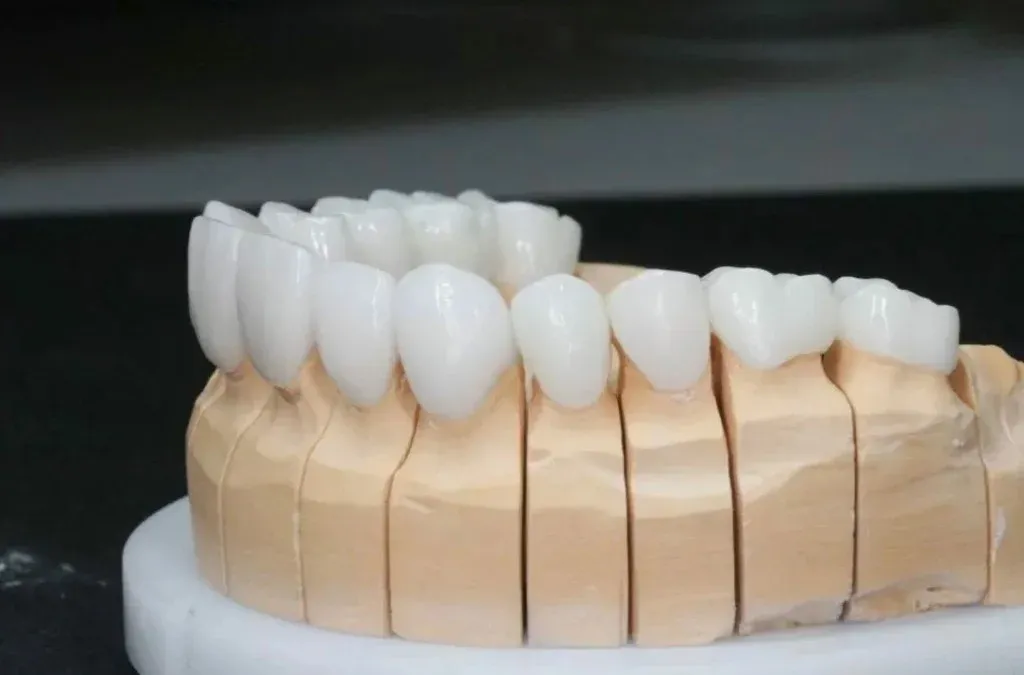
IPS e.max Crowns

Lithium disilicate pressed or milled for the smile line — translucent, fluorescent, and bonded to the conservative prep a dentist cuts for the esthetic zone.

When a case lives in the smile line, translucency is the whole job. IPS e.max reads like natural tooth and bonds to enamel — for anterior and premolar work it is often the premium call.

Jahn De Khudikine, Founder · Universal Dental Lab
Jahn De Khudikine Founder · Universal Dental Lab

Why send it here

An e.max crown in the smile zone can't look chalky. We layer it to the tooth beside it.

A practice's schedule lives or dies by the lab — I've watched one late case push back a whole day of chair time.

So I still know the cases moving through this lab, and I answer for how each one is made. Send a case here and it doesn't drop into a queue — it lands with me and one technician who carries it start to finish.

Start a case
Etchable glass
A true adhesive bond to enamel — zirconia cannot be HF-etched Translucent and fluorescent in the smile line
Pressed or milled
Cut back and layered by a ceramist, shade-matched to your photos Margins verified under magnification before it ships
Your technician
One person holds your case Reach them directly — no call-center queue
Free scanner
3Shape TRIOS 6 for partners Go fully digital at no cost

Material Comparison

e.max, Zirconia, or PFZ?

The esthetic-zone options dentists ask us to weigh most often. Pick the one the case needs — we make all three.

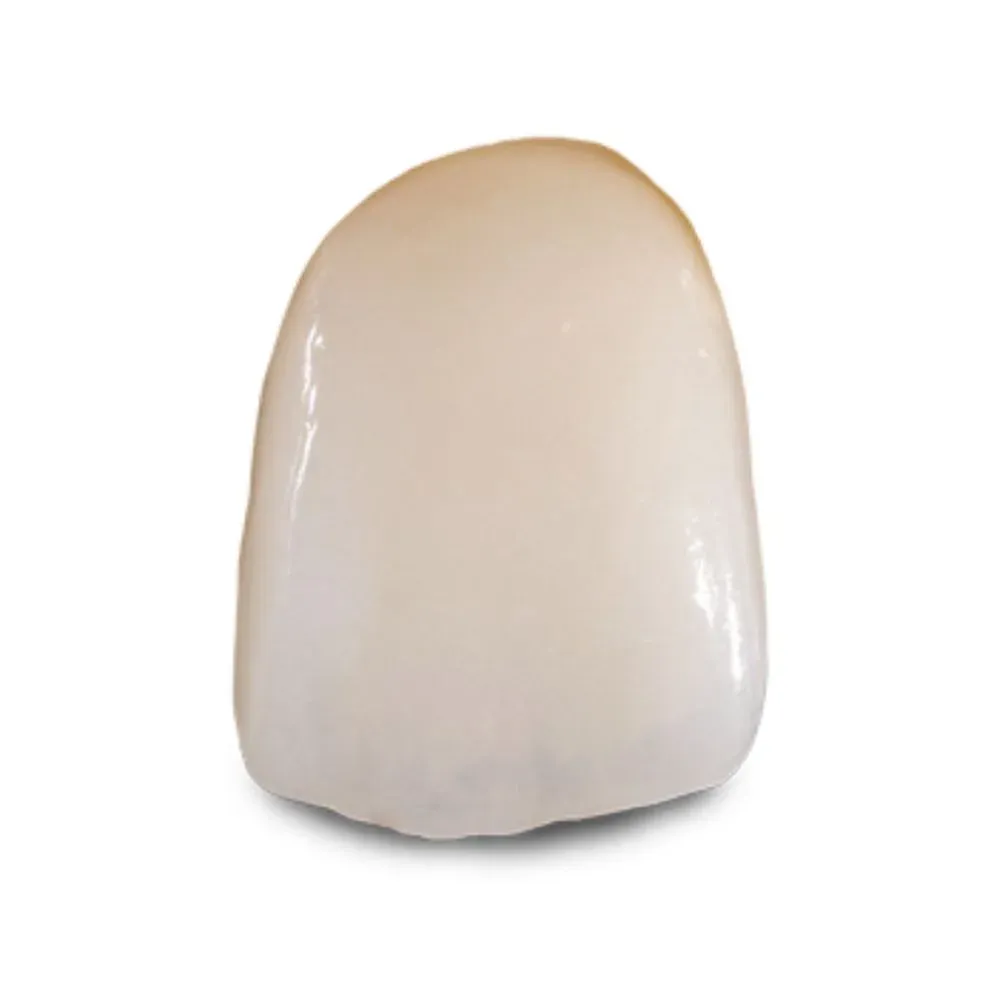
IPS e.max anterior crown under daylight-balanced light
IPS e.max Crowns You are here
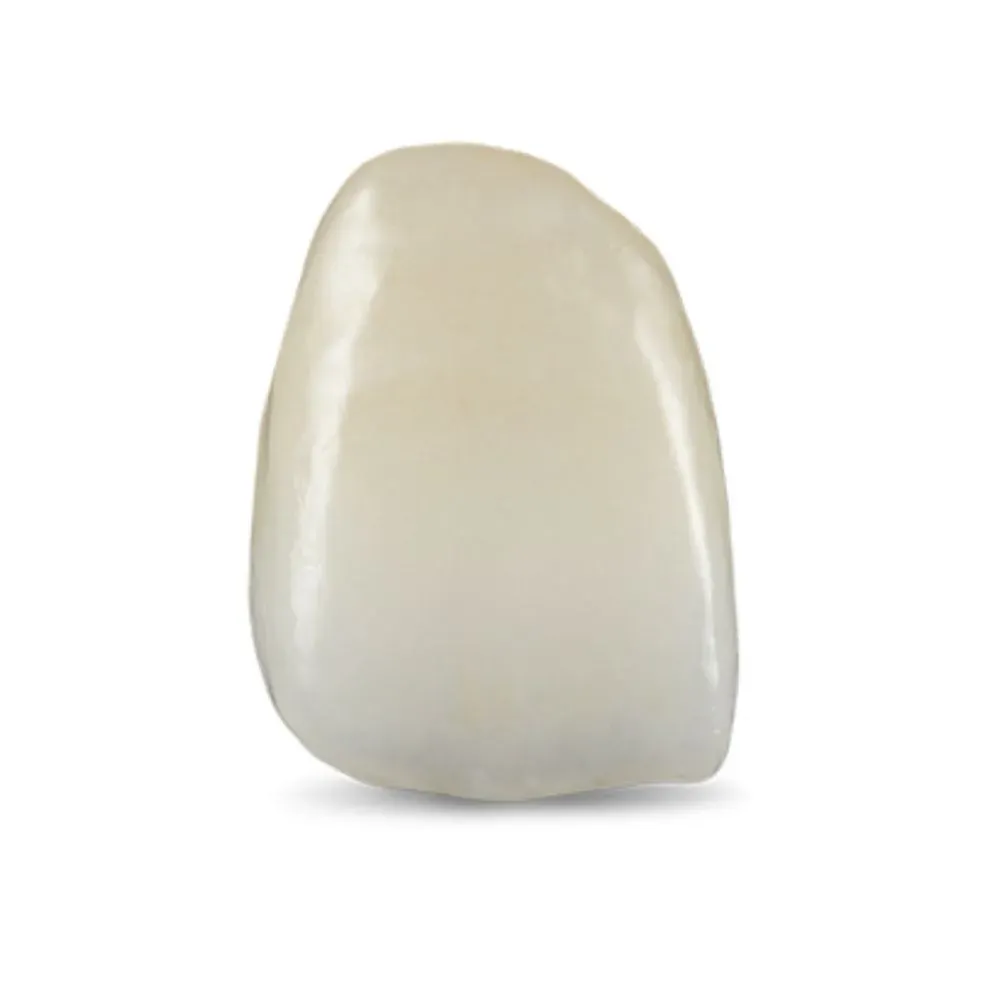
Monolithic zirconia crown on the master model
Zirconia Crowns
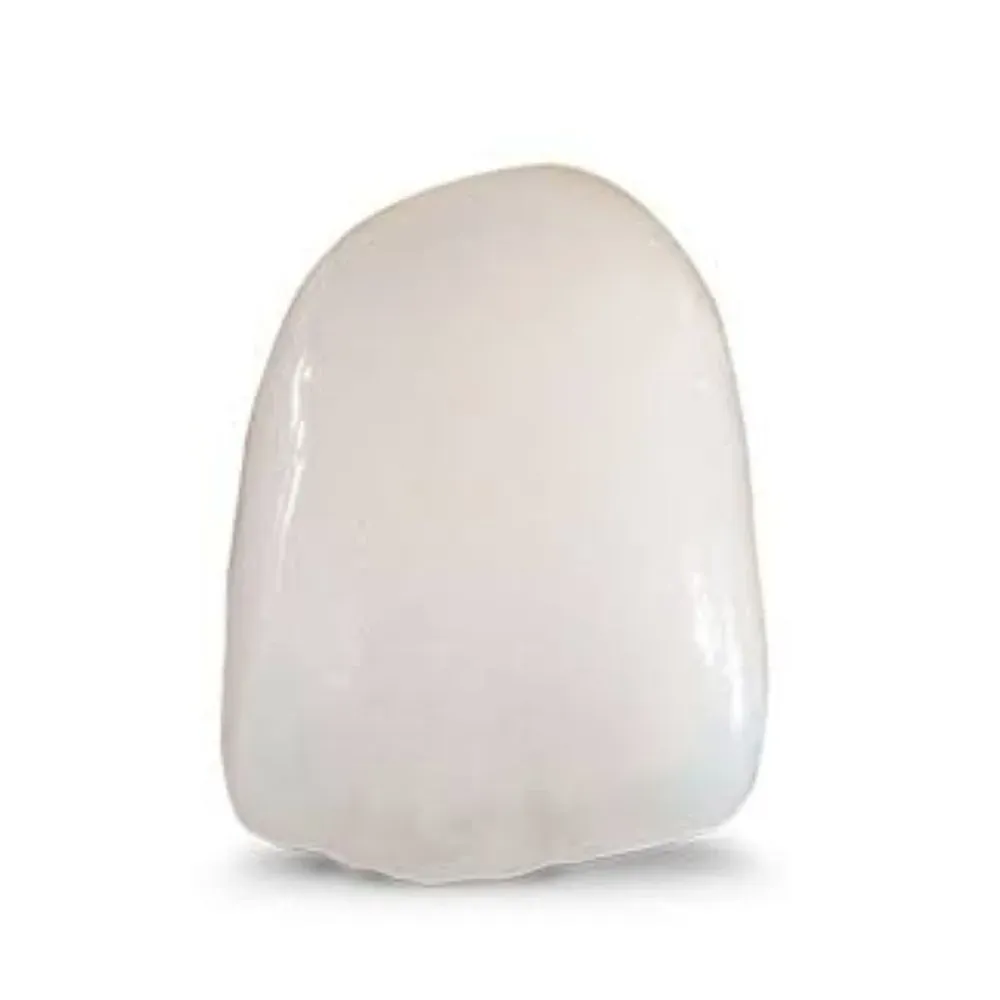
PFZ crown, zirconia core layered with porcelain
PFZ Crowns
Typical flexural strength ~400 MPa (lithium disilicate) ~550–1,200 MPa by grade Zirconia core + porcelain
Esthetics Excellent Good to excellent rises with the translucency grade Very good layered depth
Best for Anterior esthetics, premolars, bonded cases Occlusal load, bruxism, bridges, implants Metal-free esthetics with a stronger core

Flexural strength and translucency vary by ingot, technique and firing. The figures above are typical published values — confirm case-specific requirements with the lab before you prep.

Material
Lithium disilicate glass ceramic
Flexural strength
~400 MPa
Occlusal reduction
1.0–1.5 mm
Turnaround
Quoted per case at intake
IPS e.max anterior crowns under daylight-balanced light

Overview

The Glass Ceramic Built for the Esthetic Zone

When a case lives in the smile line, translucency is not a luxury — it is the whole job. IPS e.max lithium disilicate reads like natural tooth in a way an opaque core never will, and it bonds to enamel instead of relying on the prep alone.

The material choice does not change; the technique follows the case.

  • Pressed: From e.max Press ingots — fine control over an anterior unit that will be cut back and layered.

  • Milled: From e.max CAD blocks — keeps a case fully digital when the situation suits monolithic.
Learn more
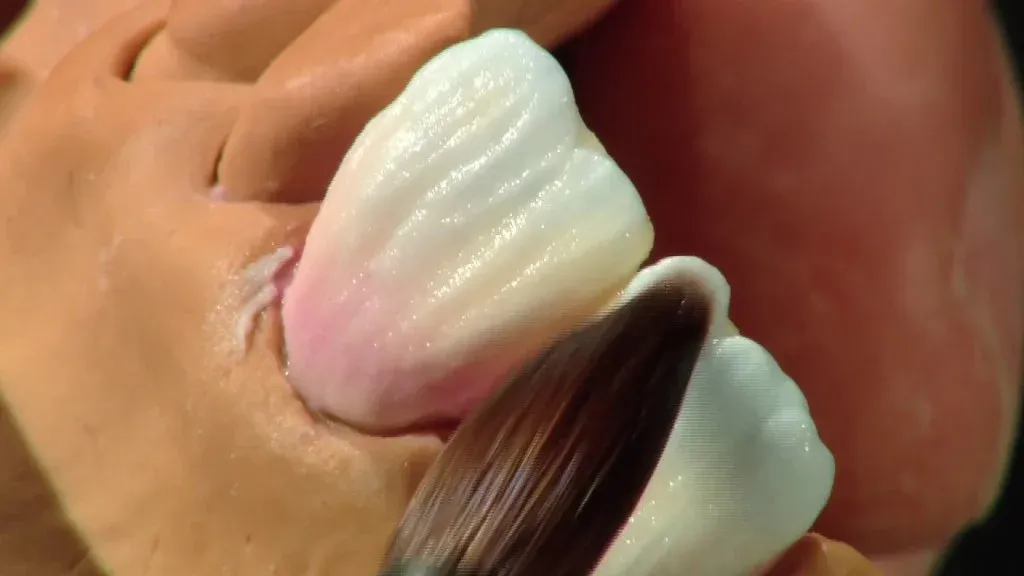
A ceramist layering porcelain over a pressed lithium disilicate core

At the Bench

Pressed or Milled, Then Characterized

Every unit is designed against your scan, then pressed or milled and finished by a ceramist — stained and glazed monolithic, or cut back and layered for anterior depth. Shade is read against your photos under corrected lighting before anything ships.

  • Margin integrity: Verified under magnification before the unit goes anywhere near a box.

  • Contacts and occlusion: Adjusted on the articulated model and checked against the opposing model.

  • Shade and characterization: Checked against your photos under corrected lighting before anything ships.

Learn more

Before you cement

Unlike zirconia, e.max etches. Etch the intaglio with hydrofluoric acid, apply a silane primer, then bond adhesively with resin — good isolation and moisture control at seating are part of the job.

Case Selection

When IPS e.max Is the Right Call

Indicated for

  • Anterior single units where translucency and lifelike optics lead the case
  • Premolars and conservative single-unit posterior restorations
  • Veneers, inlays, and onlays bonded to enamel
  • Cases prepared for an adhesive protocol on retentive or partially retentive teeth
  • Shade-critical work in the smile line that layering and characterization can refine

Consider an alternative when

  • The unit is a molar carrying heavy occlusal load or the patient is a bruxer — monolithic zirconia is the safer call
  • The case is a longer-span posterior bridge that needs a stronger framework
  • Retention and moisture control for adhesive bonding cannot be established
  • A metal substructure is specifically required for the design

Specifications

IPS e.max Crown Specifications

Preparation, cementation, and material data for planning the case chairside.

Typical values for the lithium disilicate we press and mill.
Material Lithium disilicate glass ceramic — IPS e.max Press ingots (pressed) or IPS e.max CAD blocks (milled)
Typical flexural strength Approx. 400 MPa — adequate for anterior and premolar single units
Translucency Excellent; natural fluorescence and a range of ingot translucencies (HT, LT, MO) to match the clinical situation
Occlusal reduction 1.0–1.5 mm (follow the manufacturer minimums for the chosen technique)
Axial reduction 1.0–1.5 mm
Margin design Rounded shoulder or chamfer, defined and smooth; avoid knife-edge margins
Cementation Adhesive resin cement preferred. Etch the intaglio with hydrofluoric acid, apply a silane primer, then bond — the glass-ceramic surface etches, unlike zirconia
Finishing Monolithic with stain and glaze, or cut back and layered with porcelain in the esthetic zone
Restoration types Single units (anterior and premolar), veneers, inlays, and onlays
Turnaround Quoted per case at intake

Flexural strength and translucency are typical published values for lithium disilicate and vary by ingot, technique, and firing. Confirm case-specific requirements with the lab before you prep.

Case Submission

Sending an IPS e.max Case

We accept scans from all major intraoral systems, including iTero, 3Shape, and Medit — or a conventional impression if your practice has not gone digital.

Include with the case:

  • STL of the prepped arch and the opposing arch
  • Bite registration
  • Calibrated shade photos — and a stump shade when the prep is discolored
  • Photographs of adjacent and opposing teeth for anterior work
  • A note on pressed vs milled if you have a preference

Because e.max is translucent, an undocumented stump shade is a common cause of an anterior mismatch. If the records leave a shade question, we ask before pressing rather than guess. New to the lab? Open an account and we will walk you through the first case.

Start a case

Send one case. Keep the scanner.

Open a partner account and your first case moves with a shade record and our remake guarantee — if a unit does not seat, we redo it at no charge.

  • Free 3Shape TRIOS 6 scanner for active partners
  • Under-2% remake rate — remakes at no charge
  • One named technician you reach directly — no call center

Prefer to talk? +1 747-268-0808

No call center — you hear back from the lab, not a bot.

IPS e.max FAQ

IPS e.max Crowns — Questions Dentists Ask

In the esthetic zone — anterior single units, premolars, and related bonded work where translucency and natural fluorescence matter. Lithium disilicate reads more like natural tooth than an opaque core, and it bonds adhesively to conservative preparations. For heavy posterior load or a bruxer, we steer you to zirconia instead.

At roughly 400 MPa, lithium disilicate handles premolars and conservative single-unit molar cases where occlusion is favorable, but it is not the material for a bruxer or a heavily loaded second molar. When strength has to lead, monolithic zirconia is the better call. Send us the tooth, the opposing dentition, and any parafunction history and we will confirm whether e.max fits the case.

Because it is a glass ceramic, e.max etches. The standard protocol is to etch the intaglio surface with hydrofluoric acid, apply a silane coupling agent, and cement adhesively with resin — which is where much of the material's strength in service comes from. That adhesive bond is a real advantage over zirconia, which cannot be HF-etched, but it does require good isolation and moisture control at seating.

Both. IPS e.max Press ingots give excellent control for pressed, layered anterior work, while IPS e.max CAD blocks suit a fully digital milled workflow. We choose the technique against the case and your esthetic goal, and for smile-line units we often cut back and layer porcelain over a pressed core for depth. Tell us your preference and we will confirm the approach.

STL of prepped and opposing arches, bite registration, calibrated shade photos, and stump shade when the prep is dark — translucency reads what is underneath. Note anterior versus posterior and any parafunction; layered smile-line work needs more characterization time than a simple premolar press, and we quote against that at intake.

Switching labs, de-risked

New to us? If a unit does not seat, we remake it at our cost when it is a lab error. We keep a shade record for your practice, so the second case starts from what worked on the first. See what the remake policy covers.

Partner Offer

A Free Intraoral Scanner for Partner Practices

Partner with Universal Dental Lab and we place a 3Shape TRIOS 6 Wireless in your operatory — free for the length of our partnership. Scan the prep, send it in seconds, and skip impressions entirely.