
Denture Relines

When a denture loosens as the ridge resorbs, a reline resurfaces the fitting side to a current impression — hard or soft, occlusion verified — so the prosthesis you already trust seats and functions again.

A loose denture is rarely a worn-out denture. More often the base is fine and the ridge underneath it has changed — which is exactly what a reline corrects, without remaking the teeth or the occlusal scheme the patient is used to.

Jahn De Khudikine, Founder · Universal Dental Lab
Jahn De Khudikine Founder · Universal Dental Lab

Why send it here

A reline is only as good as the impression it is built to. So we start by reading yours.

A practice's schedule lives or dies by the lab — I've watched one late case push back a whole day of chair time.

So I still know the cases moving through this lab, and I answer for how each one is made. Send a case here and it doesn't drop into a queue — it lands with me and one technician who carries it start to finish.

Start a case
Built to the impression
The corrected fit is only as good as the record A border-molded wash in the existing denture drives it
Bite checked, not assumed
Occlusion verified after the base is relined Adjusted in the lab, not left for the chair
Your technician
One person holds your case Reach them directly — no call-center queue
Free scanner
3Shape TRIOS 6 for partners Go fully digital at no cost
Universal Dental Lab Reline case sheet

What to send for a reline

  • A wash or reline impression taken in the existing denture
  • The denture itself, or a scan of it where a digital reline applies
  • A bite registration if the vertical dimension is in question
  • Opposing arch information
  • Where it feels loose and any specific fit concerns
  • Whether a hard reline or a soft liner is intended

The single most useful thing you can send is a clean, border-molded impression captured in the patient’s own denture — it is what the reline is built against.

Required Inputs for Relines

What a Reline Case Needs From You

A reline reproduces the tissue surface your impression captured, so the records decide the result. Send a clean wash impression in the existing denture, tell us where it is loose, and note whether you want a hard reline or a soft liner.

Impression-driven
A reline reproduces the tissue surface your impression captured. A relief-and-wash impression taken in the existing denture, seated to place and border-molded, is what defines the corrected fit — the base is only as accurate as that record.
Hard or soft
A hard reline replaces the fitting surface with new denture-base acrylic for a durable, cleanable result. A soft liner cushions tissue that is thin, sore, or irregular. The indication drives the choice; note which you want, or send the concern and we will advise.
Occlusion preserved
A reline changes the tissue surface, not the intended bite — so the occlusion is verified against the opposing arch and any registration you send, and the base adjusted before finishing rather than left for the chair.
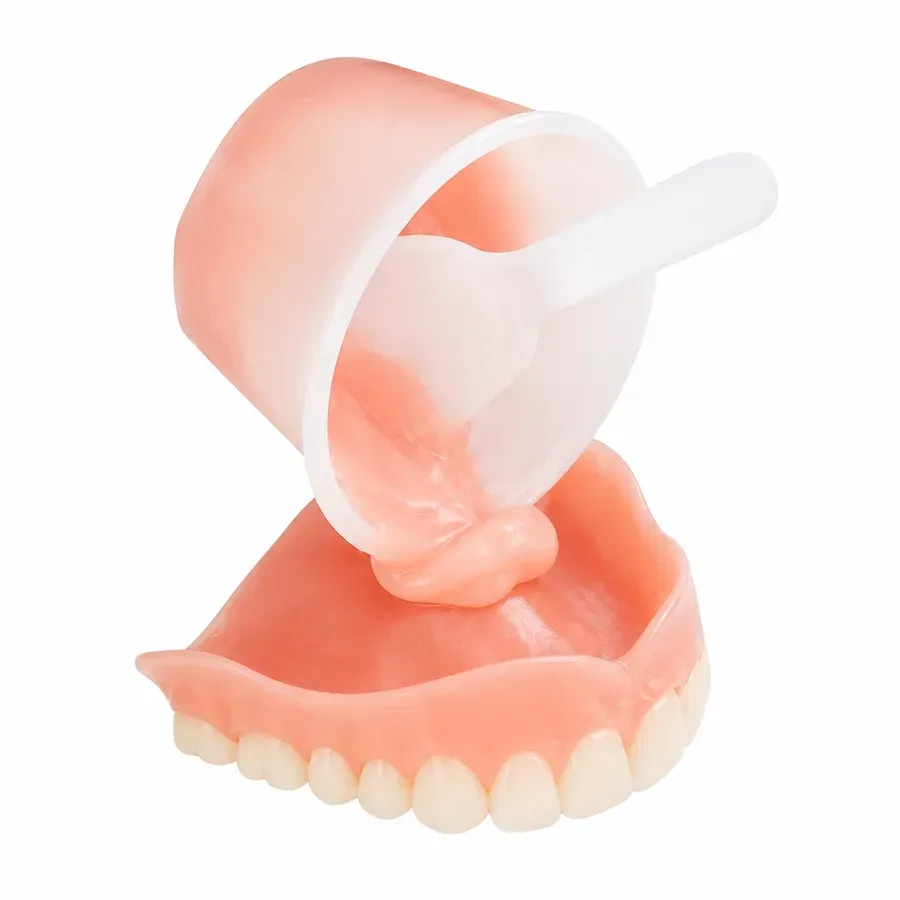
Existing denture beside a relief-and-wash reline impression on the bench before processing

Hard vs Soft

Choosing the Reline the Tissue Needs

A hard reline replaces the fitting surface with fresh denture-base acrylic — the right call when the ridge is stable and the patient wants a firm, easily cleaned, long-lasting surface. A soft liner is indicated when the underlying tissue is thin, tender, or bony and needs cushioning, or after surgery while the ridge settles. Soft liners trade durability and hygiene for comfort, so they are a maintained material rather than a permanent one. Send the clinical picture and we will process the one that fits it, or the one you specify.

  • Hard reline: New heat-cured or chemically cured denture-base acrylic for a durable, cleanable fitting surface on a stable ridge.

  • Soft liner: A resilient lining that cushions thin, sore, or irregular tissue — comfortable, but maintained rather than permanent.
Learn more
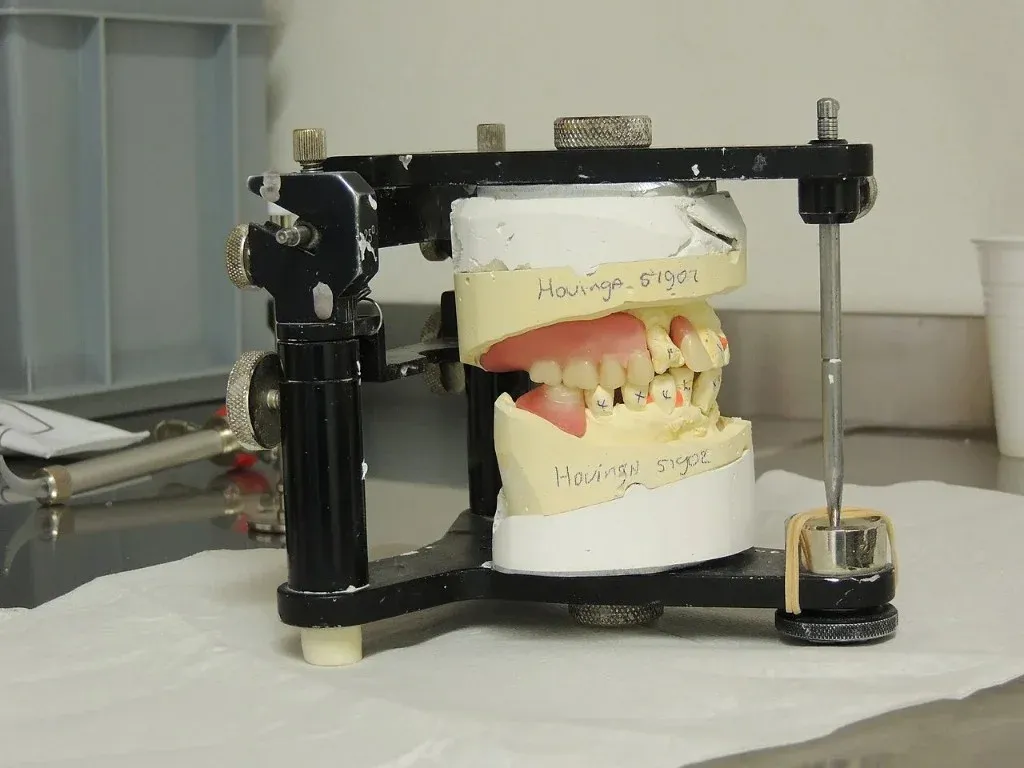
Relined denture on the articulator with occlusion being verified against the opposing cast

Impression to Occlusion

Fit Corrected, Then the Bite Confirmed

A reline is fabricated from the updated impression, so the fitting surface reproduces the ridge as it is today rather than as it was when the denture was first processed. Boxing the impression, pouring the corrected cast, removing the old fitting surface, and processing new material against it restores adaptation and border seal.

Because that step raises or reseats the base, the occlusion is verified afterward against the opposing arch and any bite you send, and equilibrated before finishing — so what returns seats and functions, not just fits.

  • Impression-based fit correction: The reline is processed against the updated cast, restoring tissue adaptation and peripheral seal from a current record.

  • Occlusion verification: Contacts are checked against the opposing arch and adjusted in the lab after the reline, not deferred to a chairside grind.

Learn more

Materials and Longevity

Hard relines are processed in denture-base acrylic, chosen for strength, polishability, and hygiene on a ridge that is stable enough to carry it. Soft liner materials for tissue comfort are a different tool: a resilient lining that cushions thin, sore, or recently operated tissue and distributes load more gently. That comfort comes with limits — soft liners are more porous, harder to keep clean, and lose resilience over time, so they are best treated as a maintained material renewed on review rather than a permanent surface. When a case sits at the edge of what a reline can hold, a new denture or, for the right patient, an implant-supported denture is the more durable answer, and we will say so rather than reline a prosthesis that has outlived it.

The Workflow

How a Reline Case Moves Through the Lab

Five steps from the impression you send to a finished, occlusion-checked reline — with the reading done at intake, before any material is processed.

  1. Records review at intake

    Lab

    The reline impression is checked for full seating, border extension, and a clean tissue surface, and read against your bite record and fit concerns. If the impression is short or the borders are not captured, we flag it before processing rather than build a base to a bad record.

  2. Boxing and corrected cast

    Lab

    The impression is boxed and poured to produce a corrected working cast that reflects the ridge as it is today — the reference the new fitting surface is processed against.

  3. Reline processing

    Lab

    The old fitting surface is reduced and new material is processed to the cast — denture-base acrylic for a hard reline, a resilient liner where cushioning is indicated. Peripheral seal and adaptation are re-established.

  4. Occlusion verification

    Lab

    Because the base is reseated, occlusion is verified against the opposing arch and any registration and equilibrated as needed, so contacts are even before the case leaves the lab.

  5. Finish, polish, and check

    Lab

    The reline is finished and high-polished for hygiene and comfort, then inspected for extension, fit, and contour against the prescription before it ships back.

What a properly processed reline gives you back

  • Built to a current record

    A reline restores fit only as far as the impression allows. A border-molded wash seated in the existing denture is what lets the corrected base track the ridge as it is now.

  • The right material for the tissue

    Hard reline for durability on a stable ridge, soft liner to cushion tissue that is thin or sore — matched to the clinical picture you send rather than defaulted.

  • Seats and functions

    Occlusion is verified after the reline and adjusted in the lab, so the denture returns ready to function instead of needing a chairside bite correction.

Start a case

Send one case. Keep the scanner.

Open a partner account and your first case moves with a shade record and our remake guarantee — if a unit does not seat, we redo it at no charge.

  • Free 3Shape TRIOS 6 scanner for active partners
  • Under-2% remake rate — remakes at no charge
  • One named technician you reach directly — no call center

Prefer to talk? +1 747-268-0808

No call center — you hear back from the lab, not a bot.

Denture Reline FAQ

Denture Relines — Questions Dentists Ask

A reline resurfaces the tissue-fitting side of a denture that has loosened as the ridge resorbed, restoring adaptation and seal without remaking the prosthesis. A repair addresses damage to the denture itself — a fractured base, a broken or lost tooth, a cracked flange. They are different case types with different records, and a denture that is both loose and fractured is handled as a repair plus a reline, not one or the other.

Denture repairs

A reline is appropriate when the teeth and base are sound and the fit has simply loosened from ridge resorption — the denture still has serviceable acrylic and an acceptable occlusion. Replacement is the better call when the teeth are heavily worn, the vertical dimension has collapsed, the base is discolored or repeatedly fractured, or the ridge has changed so much that resurfacing alone would not restore stability. Send the case and we can advise which the prosthesis actually supports.

A hard reline replaces the fitting surface with denture-base acrylic — durable, cleanable, and the standard choice on a stable ridge. A soft liner is a resilient material indicated for thin, tender, or bony tissue, or during healing, where cushioning matters more than longevity. Soft liners are comfortable but wear and colonize faster than acrylic, so they are a maintained lining rather than a permanent one and are typically renewed on a schedule.

Yes, where the workflow supports it. A conventional reline is still driven by a physical wash impression taken in the existing denture, since that captures the loaded tissue surface and borders the reline is built against. For digital denture workflows, we accept scans and process the file accordingly. If you are unsure which route your case fits, send the concern and we will tell you what record to capture.

Intraoral scan file processing

Yes. Relining the tissue surface reseats the base, which can alter how the arches meet, so occlusion is verified against the opposing model and any registration you send and equilibrated before the case is finished. Sending a current bite record when the vertical dimension is in question makes that step more accurate and reduces chairside adjustment on delivery.

Partner Offer

A Free Intraoral Scanner for Partner Practices

Partner with Universal Dental Lab and we place a 3Shape TRIOS 6 Wireless in your operatory — free for the length of our partnership. Scan the prep, send it in seconds, and skip impressions entirely.