

Implant-Supported Bridges

Fixed multi-unit restorations on two or more implants, built for dental practices — screw-retained or cement-retained, engineered to seat passively without loading a single natural tooth.

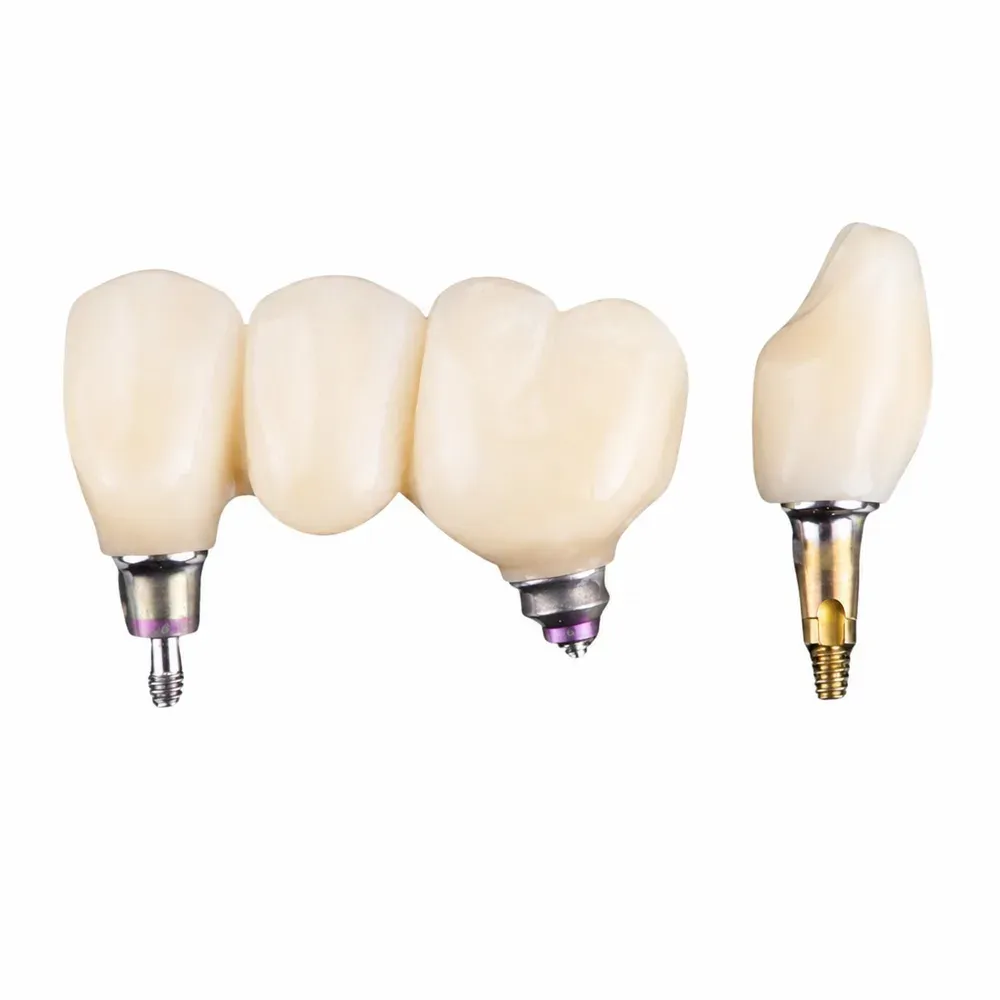
When several adjacent teeth are missing and the neighbors are gone or unsuitable, an implant-supported bridge restores the span without asking natural teeth to carry it. Two or more implants take the load, and the bridge is fixed.

Jahn De Khudikine, Founder · Universal Dental Lab
Jahn De Khudikine Founder · Universal Dental Lab

Why send it here

Your implant case, machined to the exact system and verified before it ships.

A practice's schedule lives or dies by the lab — I've watched one late case push back a whole day of chair time.

So I still know the cases moving through this lab, and I answer for how each one is made. Send a case here and it doesn't drop into a queue — it lands with me and one technician who carries it start to finish.

Start a case
Screw or cement
Retrievable screw-retained or cement-retained on abutments Built to your exact implant system and platform
Passive fit
The framework seats passively across every implant Verified before the case is finished
Your technician
One person holds your case Reach them directly — no call-center queue
Free scanner
3Shape TRIOS 6 for partners Go fully digital at no cost

Support Comparison

Implant-Supported, Tooth-Supported, or Cantilever?

The multi-unit decision comes down to what carries the load — implants, two natural abutments, or one. We make all three.

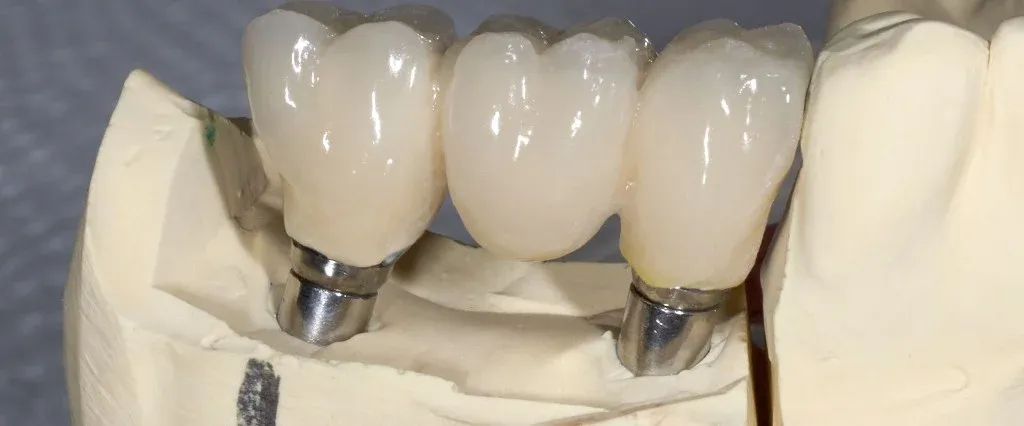
Screw-retained implant bridge on the master model
Implant-Supported Bridges You are here
Monolithic zirconia bridge on natural abutments
Zirconia Bridges
Cantilever bridge with a single abutment support
Cantilever Bridges
Support Two or more implants Natural abutments One natural abutment
Loads natural teeth? No the fixtures carry the load Yes Yes
Best for Multi-tooth spans with no suitable abutments Sound abutments, conventional span One-sided abutment, light load

Design depends on the specific implant system, positions, and restorative space of the case. Confirm implant components and passive-fit verification with the lab before you finalize the restoration.

Support
Two or more implants
Retention
Screw- or cement-retained
Materials
Zirconia, PFM, or titanium
Turnaround
Quoted per case at intake
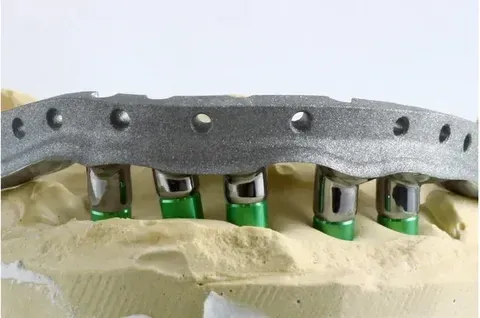
A screw-retained implant bridge seated on the master model

Overview

A Fixed Span That Loads Implants, Not Teeth

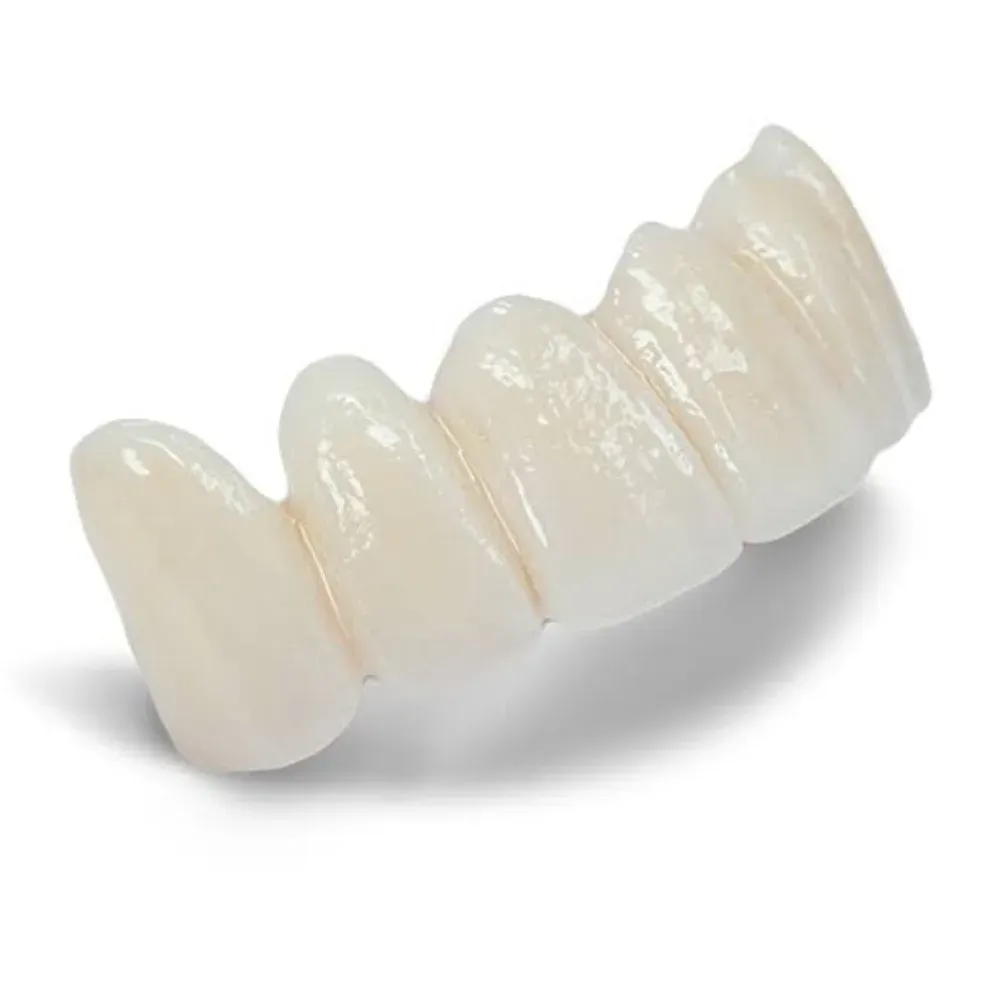
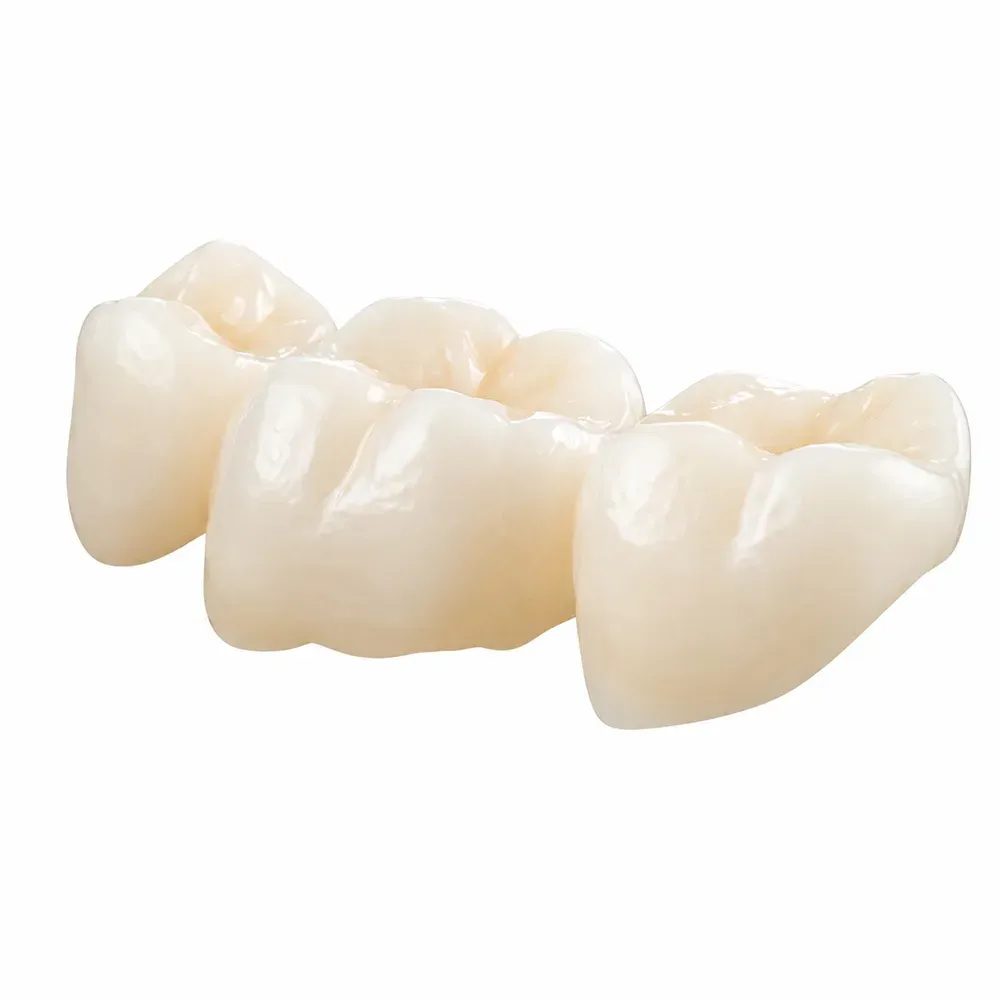
When several adjacent teeth are missing and the neighbors are gone or unsuitable, an implant-supported bridge restores the span without asking natural teeth to carry it. Two or more implants take the load, and the bridge is fixed — no removable partial to manage.

We design it as a screw-retained or cement-retained restoration in monolithic or layered zirconia, PFM, or a titanium framework with veneering, selected for the span and the esthetics. Screw-retained keeps it retrievable — often the practical choice for multi-unit implant work.

  • Screw-retained: Retrievable, no cement — the common choice for multi-unit implant work.

  • Cement-retained: On abutments where the design and access favor it.
Learn more
A multi-unit implant framework checked for passive seating

At the Bench

Designed to the System, Verified for Passive Fit

The framework is designed to the confirmed implant components, with screw access and emergence profiles set to the fixture positions, then verified for passive seating across all implants before the case is finished in the chosen material.

  • Framework design: Built to the confirmed implant system and platform, not a generic component.

  • Access and emergence: Screw-access channels and emergence profiles set to the implant positions.

  • Passive fit: Verified across all fixtures before the case leaves the lab.

Learn more

Before you finalize

Because everything is machined to specific components, confirm the exact implant system and platform for every fixture — an ambiguous or missing implant detail is the one input that stalls the case.

Case Selection

When an Implant-Supported Bridge Is the Right Call

Indicated for

  • Multi-tooth edentulous spans restored on two or more implants
  • Cases where the adjacent natural teeth are absent or unsuitable as abutments
  • Patients who want a fixed restoration rather than a removable partial
  • Spans where loading natural teeth with a conventional or cantilever bridge is undesirable
  • Restorations planned around a defined implant system with adequate spacing and angulation

Consider an alternative when

  • Sound natural abutments are present and a conventional fixed bridge is simpler
  • A full edentulous arch is being restored — a full-arch hybrid or overdenture may fit the plan better
  • The implant positions or angulation compromise screw access and emergence — replan before restoring
  • The restorative space or implant spacing will not support a passive multi-unit framework

Specifications

Implant-Supported Bridge Specifications

Support, retention, and record data for planning the implant bridge chairside.

Typical parameters for the implant-supported bridges we design.
Support Two or more implants — the restoration loads the fixtures, not the natural dentition
Retention Screw-retained (retrievable, no cement) or cement-retained on abutments; screw-retained is common for multi-unit implant work
Materials Monolithic or layered zirconia, PFM, or a titanium framework with veneering — selected for the span, load, and esthetics
Passive fit The defining requirement — the framework must seat passively across all implants to avoid stress on the fixtures; verified before delivery
Connection level Implant-level or abutment-level, using the specified system's components and multi-unit abutments where indicated
Emergence & access Emergence profiles and screw-access channels designed to the implant positions and the planned restoration
Records Scan bodies or an implant-level impression, opposing arch, bite, shade, the exact implant system and platform, and CBCT where relevant
Restoration types Fixed multi-unit implant bridges, anterior and posterior segments
Turnaround Quoted per case at intake

Design depends on the specific implant system, positions, and restorative space of the case. Confirm implant components and passive-fit verification with the lab before you finalize the restoration.

Case Submission

Sending an Implant-Supported Bridge Case

We accept scan body captures from all major intraoral systems, including iTero, 3Shape, and Medit — with the implant system details, the design is only as good as those records.

Include with the case:

  • Scan bodies or an implant-level impression for every fixture
  • Scan or impression of the opposing arch, and a bite registration
  • Shade photos for the restoration
  • The exact implant system and platform for each implant
  • Screw-retained or cement-retained, and implant-level vs multi-unit abutment

An ambiguous or missing implant detail is the one input that stops the case — confirm the system and platform for every fixture. New to the lab? Open an account and we will walk you through the first case.

Start a case

Send one case. Keep the scanner.

Open a partner account and your first case moves with a shade record and our remake guarantee — if a unit does not seat, we redo it at no charge.

  • Free 3Shape TRIOS 6 scanner for active partners
  • Under-2% remake rate — remakes at no charge
  • One named technician you reach directly — no call center

Prefer to talk? +1 747-268-0808

No call center — you hear back from the lab, not a bot.

Implant Bridge FAQ

Implant-Supported Bridges — Questions Dentists Ask

The exact implant system and platform for every fixture. Without that, we cannot pick components or machine a passive framework. Also send scan bodies or an implant-level impression, the opposing arch, a bite, shade photos, and whether you want screw-retained or cement-retained — and implant-level versus multi-unit abutments.

Screw-retained keeps the bridge retrievable and avoids subgingival cement. Cement-retained helps when screw access would land on the facial or when angulation makes a screw channel impractical. Tell us the priority and the implant positions; we will design to the access that actually works.

Passive fit is everything on a multi-unit implant bridge — a framework that does not seat passively stresses the fixtures. We design and verify the framework for passive seating across all implants before finishing, confirm components before fabrication, and flag angulation or spacing problems early rather than delivering a bridge that fights the case.

Often yes on longer spans. These are staged, component-dependent cases — framework design and verification, then finishing in the chosen material — so they run longer than a tooth-supported bridge. A complete records set with confirmed implant details keeps each stage moving.

Ideally yes. Screw access and emergence depend on implant position, angulation, and spacing. See implant case planning and custom abutment design for how we plan the prosthetic side, and involve us early when the fixtures are not yet placed.

Implant case planning

Switching labs, de-risked

New to us? We confirm the implant system before fabrication and verify passive fit before delivery — and if a unit does not seat, we make it right. Your technician stays reachable through the whole case.

Partner Offer

A Free Intraoral Scanner for Partner Practices

Partner with Universal Dental Lab and we place a 3Shape TRIOS 6 Wireless in your operatory — free for the length of our partnership. Scan the prep, send it in seconds, and skip impressions entirely.