

Fixed Implant Bars

The structure under the arch, for dental practices restoring full-arch cases. Splinted fixtures, load spread across the span, and cantilevers designed to what the implant distribution will actually carry.

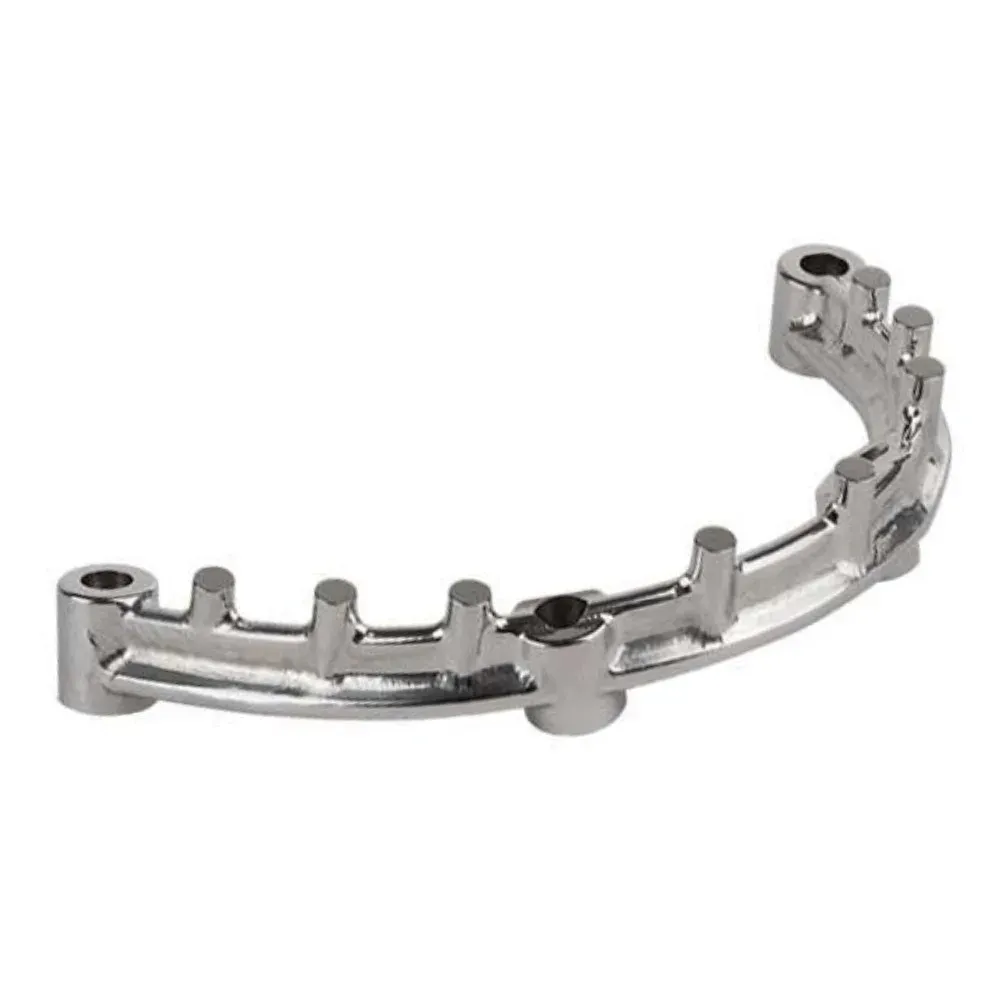
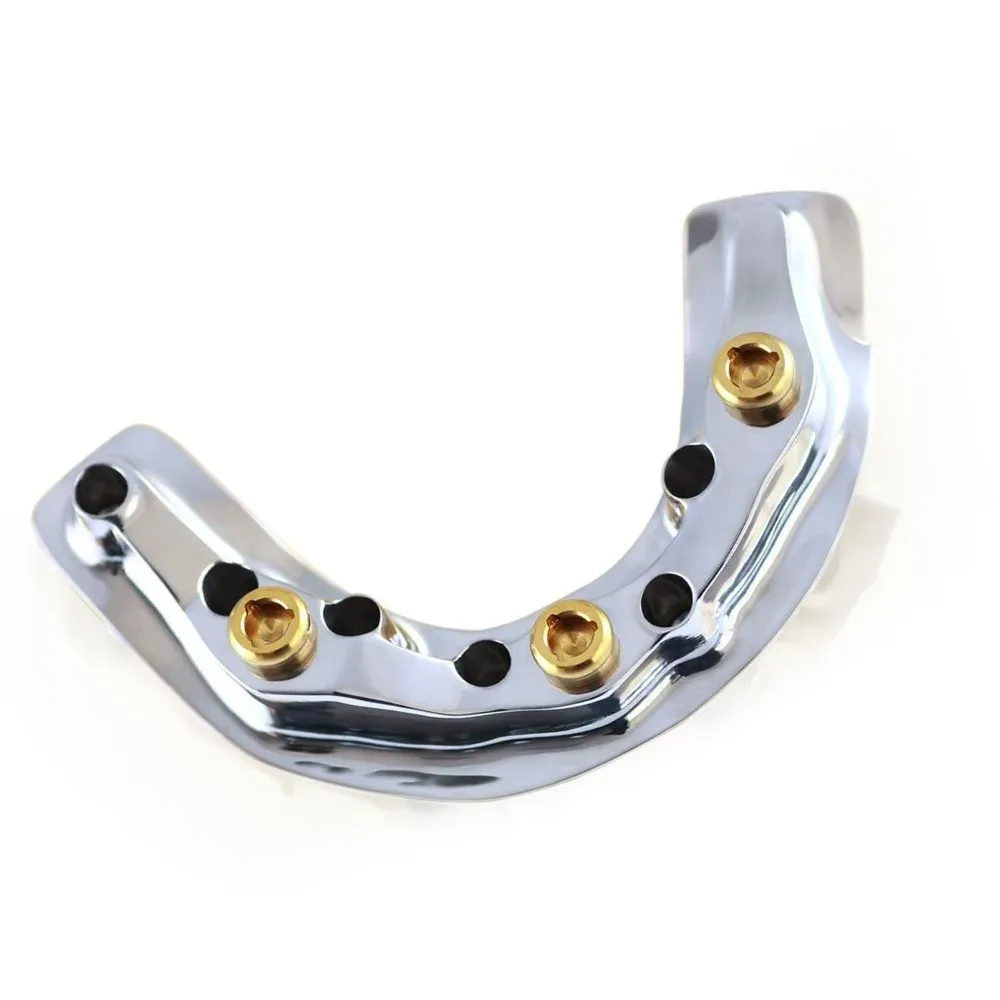
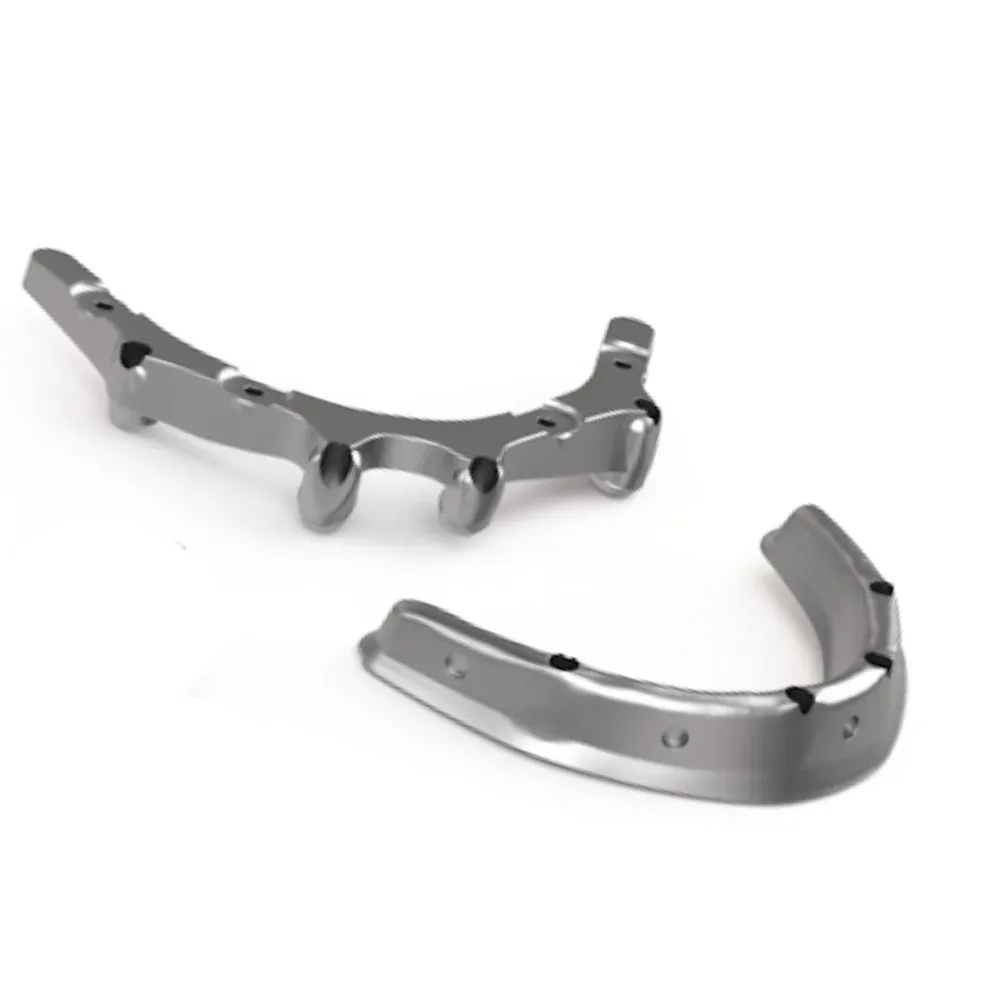
A fixed implant bar is the structural member, not decoration under the prosthesis. It splints the fixtures, distributes occlusal load, and resists flexure the acrylic above it never could.

Jahn De Khudikine, Founder · Universal Dental Lab
Jahn De Khudikine Founder · Universal Dental Lab

Why send it here

A bar that binds loads the implants unevenly. We verify passivity before the prosthesis is processed.

A practice's schedule lives or dies by the lab — I've watched one late case push back a whole day of chair time.

So I still know the cases moving through this lab, and I answer for how each one is made. Send a case here and it doesn't drop into a queue — it lands with me and one technician who carries it start to finish.

Start a case
Splinted arch
One rigid framework spreads occlusal load across the fixtures The bar resists flexure the prosthetic material never could
One solid blank
CAD/CAM milled — no casting shrinkage, no solder joints across the span Screwed down one implant at a time on the master model
Your technician
One person holds your case Reach them directly — no call-center queue
Free scanner
3Shape TRIOS 6 for partners Go fully digital at no cost

Prosthesis Comparison

Fixed, Removable, or the Finished Hybrid?

Three ways an implant bar shows up in a full-arch case. The deciding question is simple: who takes the prosthesis out?

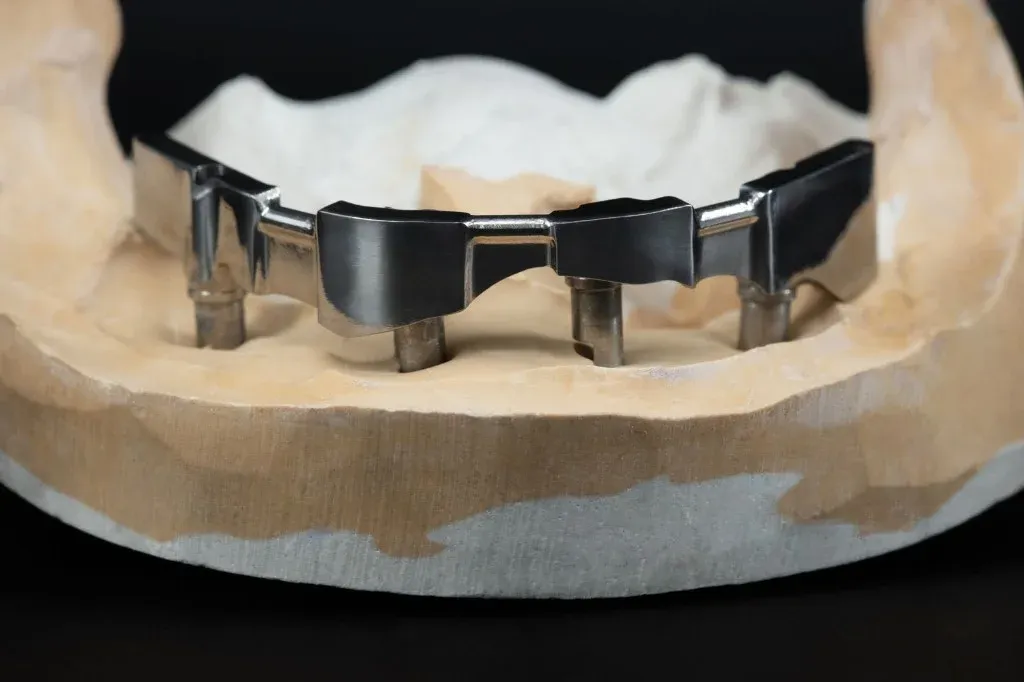
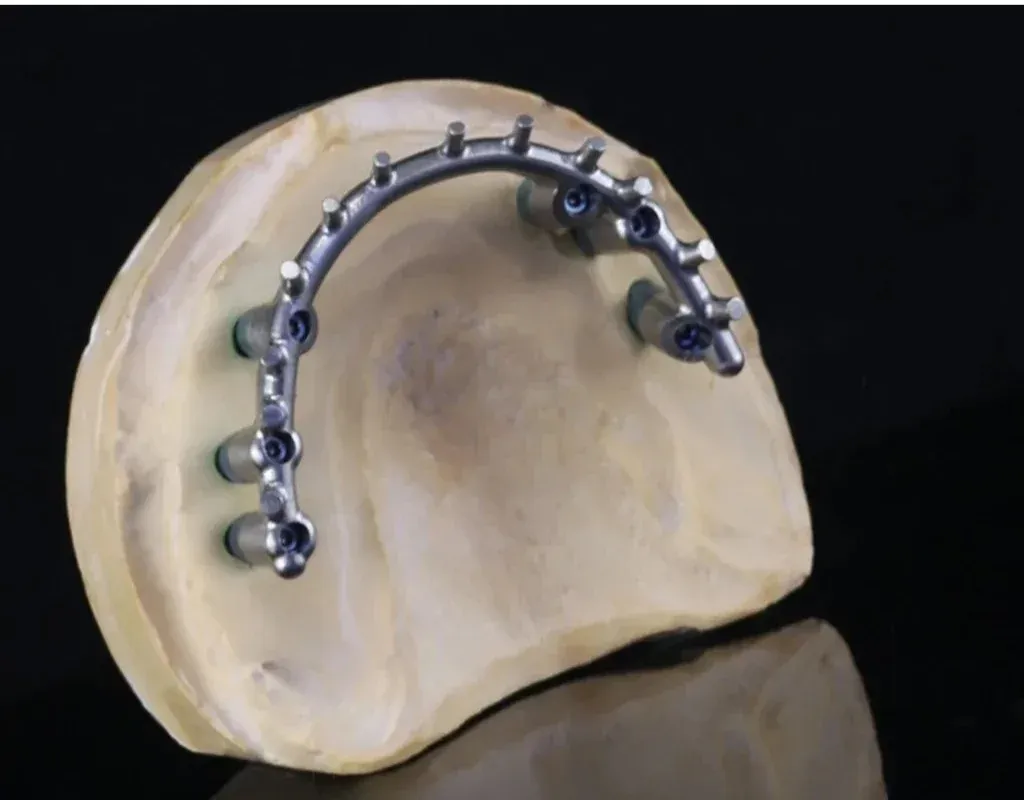
Milled titanium fixed implant bar screwed to the master model
Fixed Implant Bars You are here
Overdenture bar with attachments on the master model
Overdenture Bars
Finished full-arch hybrid prosthesis built on its framework
Full Arch Hybrids (All-on-X)
Who removes it Nobody — removed by the dentist only The patient, nightly Nobody — the finished fixed arch
What the bar does Splints the fixtures and carries the full occlusal load Retains and stabilizes a removable prosthesis The complete prosthesis built on the framework
Hygiene Cleaned around and under; the prosthesis stays in place Bar and tissue cleaned directly, prosthesis out Cleaned in place, around the intaglio

Compared on prosthetic approach, not material — fixed, removable and hybrid are treatment decisions, not interchangeable materials.

Function
Rigid splinting substructure
Material
Milled titanium or zirconia
Retention
Screw-retained
Turnaround
Quoted per case at intake
Milled titanium fixed implant bar on the master model

Overview

Fixed Implant Bars — Structure Before Teeth

A fixed implant bar is not decoration under the prosthesis. It is the structural member: it splints the fixtures, distributes occlusal load, and resists flexure that the acrylic above it never could.

Once an edentulous arch is restored on four or more implants, load stops being a single-tooth problem. Every excursion, every clench, every parafunctional habit is transmitted somewhere. A rigid framework spreads that across the fixtures instead of letting one implant absorb it — and it takes the flexural stress off the prosthetic material, which is what usually fractures when the substructure is too thin.

  • Cantilever: Set against the anterior-posterior spread of the implants, not a fixed number. A tight A-P spread supports less distal extension.

  • Framework rigidity: Cross-section designed to resist flexure across the span while leaving room for prosthetic material at adequate thickness.
Learn more
A fixed implant bar screwed down one implant at a time on the master model

At the Bench

The Framework Is Verified Before the Teeth Go On

Nothing is processed over a framework that has not been proven to seat. The order matters — teeth on an ill-fitting bar just hide the problem until delivery day. We also recommend a clinical verification of the framework in the mouth before the prosthesis is finished. It costs one appointment and saves the remake.

  • Seated one at a time: Bar screwed down one implant at a time on the master model, every other connection watched for lift as each screw is tightened.

  • Checked against the setup: Cantilever and cross-section verified against the approved tooth setup before anything else happens.

  • Teeth last: Prosthetic material processed only after the framework passes — never before.

Learn more

Before the framework is designed

The cantilever is set by the anterior-posterior spread of the implants, not by a number we can quote before we see the arch. If the plan asks for a cantilever the distribution will not carry, we will say so — the fix is another implant or a shorter arch, not a longer bar and optimism.

Case Selection

When a Fixed Implant Bar Is the Right Call

Indicated for

  • Full-arch prostheses the patient does not remove, carried on four or more implants
  • Cases where individual crowns would leave fixtures unsplinted under heavy occlusal load
  • Edentulous arches restored with acrylic and denture teeth over a rigid substructure
  • Patients with significant parafunction, where a rigid framework protects the prosthetic material
  • Arches with an implant distribution that needs cantilevers designed rather than assumed

Consider an alternative when

  • The patient needs to remove the prosthesis for hygiene — an overdenture bar is the honest answer
  • Only one or two implants are being restored and splinting buys nothing
  • The implants are so far forward that the required cantilever exceeds what the A-P spread supports
  • Restorative space will not accommodate a framework plus prosthetic material at adequate thickness

Specifications

Fixed Implant Bar Specifications

Structural, material and retention data for planning a fixed full-arch case.

Typical specifications for the fixed implant bar frameworks we mill.
Function Rigid substructure that splints the implants and carries a fixed prosthesis — the bar takes the load, the prosthetic material does not
Material Milled titanium (commercially pure and Ti-6Al-4V); zirconia frameworks where the case calls for a monolithic arch
Manufacturing CAD/CAM milled from a solid blank — no casting shrinkage, no solder joints across the span
Cantilever design Set against the anterior-posterior spread of the implants, not against a fixed number. A tight A-P spread supports less cantilever
Framework rigidity Cross-section designed to resist flexure across the span while leaving room for prosthetic material at adequate thickness
Retention Screw-retained to the implants or multi-unit abutments. Access channels angle-corrected in design
Prosthetic material Acrylic with denture teeth, or a milled superstructure, depending on the case and the wear pattern you expect
Fit verification Screwed down one implant at a time on the master model; every other connection watched for lift
Turnaround Quoted per case at intake — full-arch work is scheduled individually

Cantilever length and framework cross-section are engineered per case against the implant distribution and the approved setup — they are not fixed values. Send the implant positions with the case and we will tell you what the arch supports.

Case Submission

Sending a Fixed Implant Bar Case

Implant-level records from iTero, 3Shape and Medit, or conventional impressions — either works, provided the record has been verified.

Send with the case:

  • Implant-level scan or impression with scan bodies clearly captured
  • Implant system, platform diameters, and multi-unit abutments with collar heights
  • Opposing arch and a bite record
  • The approved tooth setup — the framework is designed around it
  • A note on parafunction, if you expect it to drive the material choice

Two things sink these cases. An unverified implant record, which no framework design corrects. And a setup that arrives after the bar has been designed, which means the metal was placed without knowing where the teeth were going. Send both together. Upload the files, or open an account and we will walk the first arch through with you.

Start a case

Send one case. Keep the scanner.

Open a partner account and your first case moves with a shade record and our remake guarantee — if a unit does not seat, we redo it at no charge.

  • Free 3Shape TRIOS 6 scanner for active partners
  • Under-2% remake rate — remakes at no charge
  • One named technician you reach directly — no call center

Prefer to talk? +1 747-268-0808

No call center — you hear back from the lab, not a bot.

Fixed Bar FAQ

Fixed Implant Bars — Questions Dentists Ask

It depends on the anterior-posterior spread of the implants, not on a number we can quote in advance. Fixtures clustered in the anterior give a short A-P spread and support very little distal cantilever; fixtures distributed back through the arch support more. Send the implant positions and we will tell you what the distribution actually supports before the framework is designed.

Splinting distributes occlusal load across the fixtures instead of concentrating it on whichever implant takes the hit, and it lets the framework rather than the acrylic resist flexure across the span. That is what keeps the prosthetic material from fracturing. For a single implant with teeth either side, splinting buys you nothing.

See screw-retained crowns

Ask who takes it out. A fixed bar carries a prosthesis that only you remove, and the patient cleans around it. An overdenture bar retains a prosthesis the patient removes nightly and cleans in their hand. That decision is driven by hygiene capability, tissue support, lip support and what the patient can realistically manage — and it needs to be made before the framework is designed, because the two bars are shaped differently.

Enough for the framework and the prosthetic material over it at adequate thickness — the bar cannot be thinned to buy space without giving up the rigidity that justifies it. Space is measured from the implant platform to the planned occlusal plane, and it is checked before anything is made. When there is not enough, the honest options are bone reduction at surgery or a change of prosthesis; a thin framework is not one of them.

Bone reduction guides

An implant-level record with the scan bodies clearly captured, the opposing arch, a bite record, and the implant system with platform diameters and multi-unit abutments. The approved tooth setup matters as much as the implant data — we need to know where the teeth are going before we know where the metal goes.

Partner Offer

A Free Intraoral Scanner for Partner Practices

Partner with Universal Dental Lab and we place a 3Shape TRIOS 6 Wireless in your operatory — free for the length of our partnership. Scan the prep, send it in seconds, and skip impressions entirely.