Dental Lab for Implant Specialists

Guided planning from the CBCT, custom abutments and full-arch hybrids — built to your implant system, verified for passive fit and a confirmed occlusion before the case leaves the bench.

On an implant case the lab is either an asset or a liability — the difference is whether it knows your platform, holds the occlusion, and tells you the truth about a marginal scan. This is the lab built to be the asset: one team on your full-arch case, the plan you approve, and a fit verified before it ships.

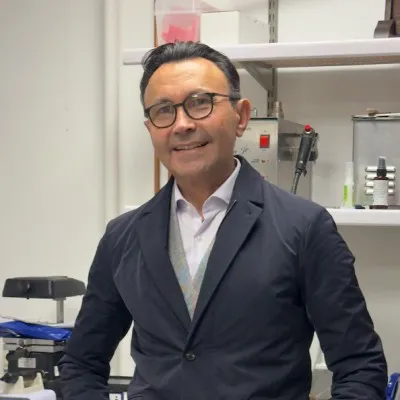
Jahn De Khudikine, Founder · Universal Dental Lab
Jahn De Khudikine Founder · Universal Dental Lab

Why send it here

One lab, accountable from the plan to the final

A full-arch case doesn't fail in the lab — it fails at the try-in, when the occlusion is off and the patient is already numb in the chair.

So I verify passive fit and the platform details myself before anything ships, and if a scan won't produce a seatable case, you hear that from me before we build, not after.

Start a case
Your platform
We build to your implant system Send the implant part details with the scan
Scan feedback
A bad scan is flagged before we build Not discovered at the try-in
Your technician
One team holds your full-arch case Reach them directly — no call-center queue
Free scanner
3Shape TRIOS 6 for partners Go fully digital at no cost
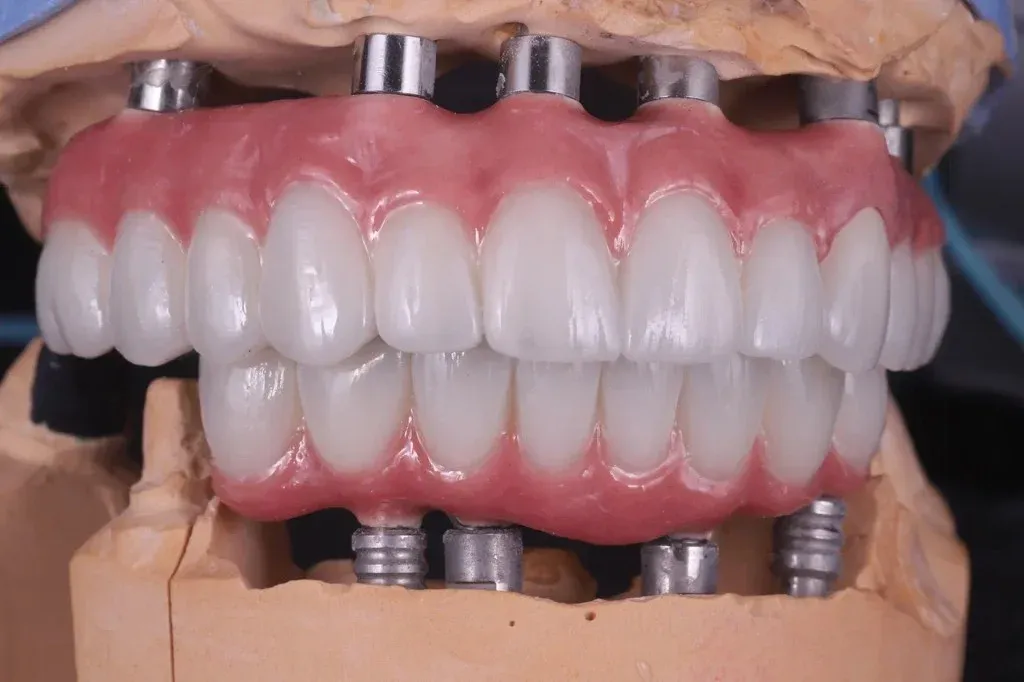
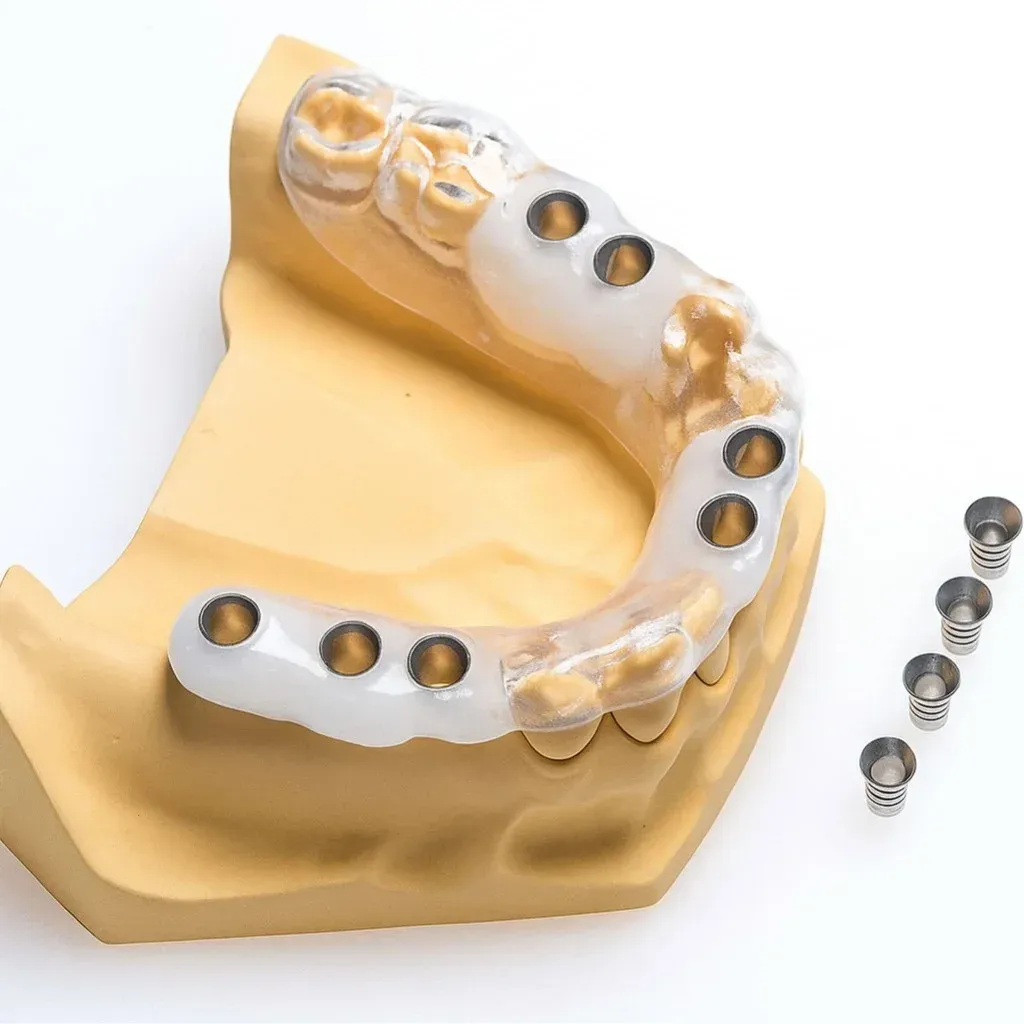
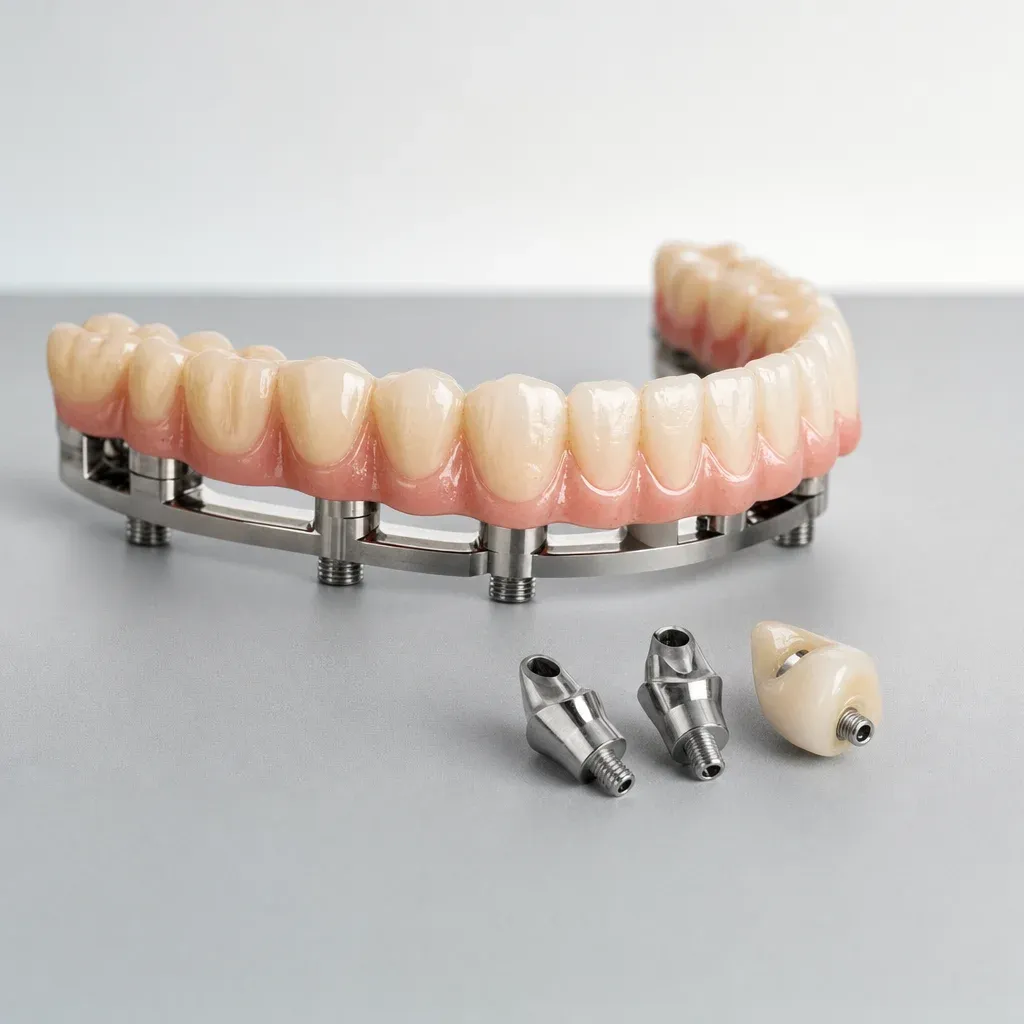
A full-arch implant-supported hybrid prosthesis on titanium abutments.
A full-arch hybrid finished on its verified framework.

Full-arch

Built to the occlusion, not just the scan

A full-arch case fails at the bite before it fails anywhere else. We verify the jaw relation on articulated records, stage a try-in where the case calls for it, and confirm passive fit on the model before the framework ever leaves the bench.

  • Verified jaw relation: Vertical dimension and centric confirmed on the records — we do not guess the bite on a full arch.

  • Passive fit checked: Framework fit is verified on the model before delivery, not left for the chair to discover.
Learn more
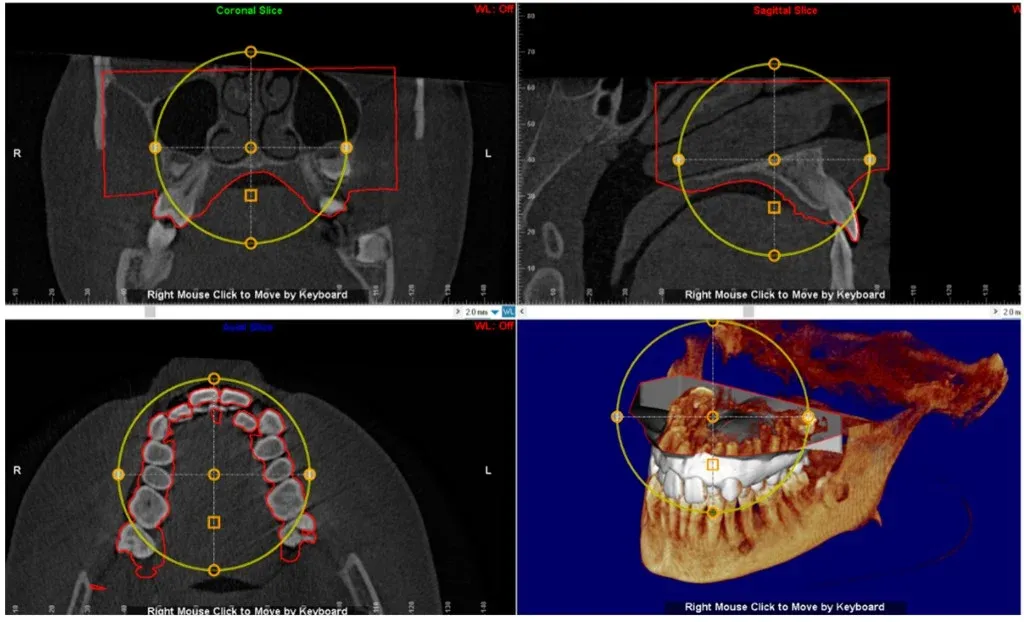
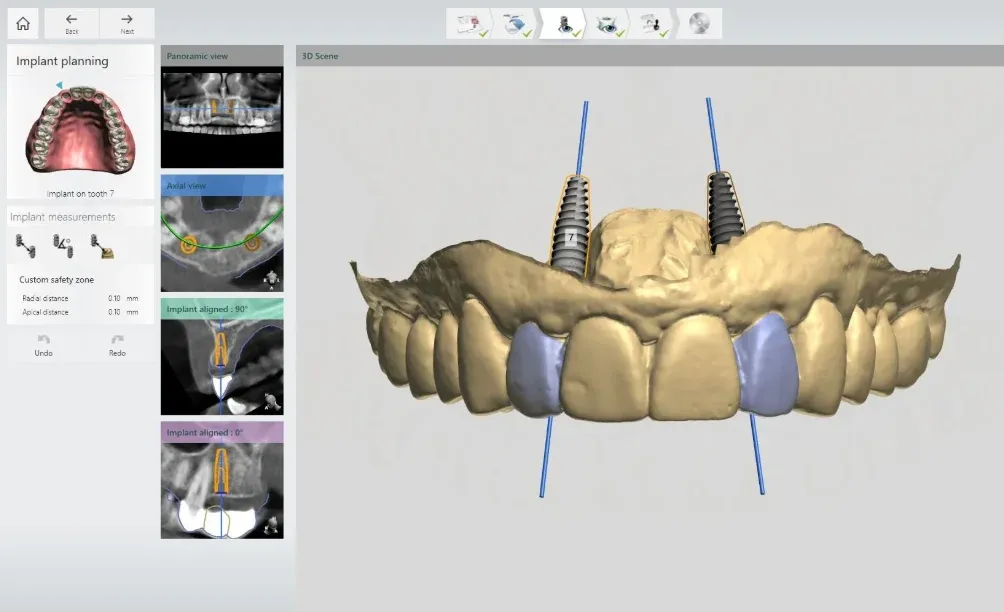
A CBCT-based implant plan with virtual implants placed in a 3D reconstruction.
Implants planned in 3D against the CBCT and the restorative endpoint.

Guided from the CBCT

Surgery planned before the first osteotomy

Send the CBCT and the intraoral scan and we design the plan and the surgical guide against both — implant position driven by the final restoration, not the other way round. You approve the plan before anything is printed.

  • Restoration-driven planning: Implant position is set by where the prosthetic has to end up, not by bone alone.

  • You approve before print: The plan and guide are yours to sign off on before the guide is produced.

Learn more
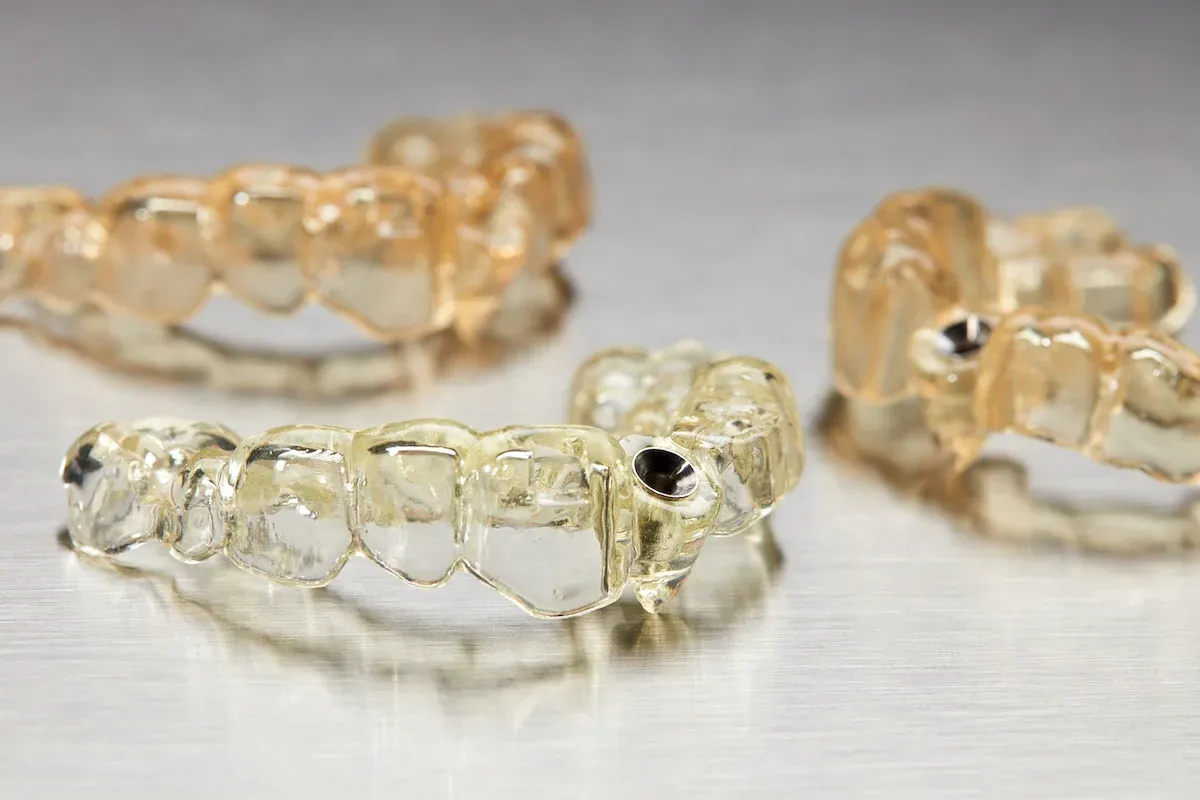
3D-printed surgical guides for implant placement.

Why implant practices move

Built for the case that cannot afford a surprise

An implant case surfaces its problems at the worst possible moment — the abutment that will not seat, the framework that rocks, the bite that is off. These are the failures our workflow is built to catch first.

  1. The lab does not know the implant system the case is on.

    We build to your platform. Send the implant part details with the scan and we select the matching components; when the parts and the scan do not agree, we call you before we mill, not after the abutment does not seat. Custom abutment design

  2. Full-arch turnaround drags, and the patient is already staged.

    Full-arch cases are scheduled and quoted at intake against your surgery date — with the try-in stages built into the timeline, so nothing surfaces late the week the patient is booked.

  3. The occlusion comes back wrong, and on a full arch that is a disaster.

    Vertical dimension and centric are confirmed on articulated records, and passive fit is verified on the model before the case ships. The bite is not something we hope is right.

  4. You never hear that the scan was marginal until it is too late.

    We check the scan on arrival — margins, scan-body seating, and the arch capture — and flag anything that will not produce a seatable case before we start, not at delivery. Digital protocols

  5. One lab for the guide, another for the restoration, no continuity.

    Planning, the surgical guide, the provisional and the final restoration are made on one account, referencing the same records — so the plan you approved is the case you receive.

The workflow

How an implant case is built with you

Planned against your CBCT, approved before anything is printed, and verified before anything is delivered.

  1. CBCT, scan and implant details in

    You

    Send the CBCT, an intraoral scan, and the implant system and part details for the case.

  2. Guided plan and surgical guide

    Lab

    We plan the implants against the CBCT and the restorative endpoint, design the surgical guide, and send it for your approval before printing.

  3. Verified jaw relation

    Together

    Vertical dimension and centric are confirmed on the records — the foundation the whole case is built on.

  4. Framework fit and try-in

    Lab

    Passive fit is verified on the model; where the case calls for it, a try-in stage confirms the result before the final.

  5. Final restoration delivered

    Lab

    The final is finished to seat and returned on the date quoted at intake, against your surgical schedule.

Start a case

Send one implant case

Start with a single screw-retained unit or bring us a full-arch plan — either way, judge the fit and the occlusion before you move your implant volume across.

  • One case to start — single unit or a full-arch plan
  • We build to your implant system and verify passive fit
  • Free 3Shape TRIOS 6 scanner for active partners

Prefer to talk? +1 747-268-0808

No call center — you hear back from the lab, not a bot.

Implant cases, de-risked

We verify passive fit on the model and confirm the occlusion on the records before a case ships. New to us? If a restoration misses because of a lab error, we remake it at our cost. See what the remake policy covers.

Implant practice FAQ

What Implant Specialists Ask Before They Switch

Send the implant system and the part details with the case and we build to that platform, selecting the matching components. If the parts and the scan do not agree, we contact you before milling rather than guessing at the connection.

Custom abutment design

Yes. Send the CBCT and an intraoral scan and we plan the implants against both, design the guide driven by the final restorative position, and send the plan for your approval before anything is printed.

Guided implant planning

Vertical dimension and centric are confirmed on articulated records, and passive framework fit is verified on the model before the case ships. Where the case calls for it, a try-in stage confirms the result before the final is finished.

Full-arch case planning

Yes. We check margins, scan-body seating and the arch capture on arrival and flag anything that will not produce a seatable case before we start — not at the try-in and not at delivery.

That is the point of working on one account. Planning, the surgical guide, the provisional and the final restoration all reference the same records, so the plan you approved is the case you receive.

CBCT in DICOM, intraoral scan STLs with scan bodies seated and verified, bite, implant system and part numbers, and photos when esthetics drive the plan. Send all of it on one prescription so planning, the guide, and the restoration reference the same arch — not three separate submissions.

Digital Protocols

Case mix

What implant practices send us

From a single screw-retained unit to a planned full arch. Choose a category for materials, workflow, and how to submit.

  • Fixed full-arch hybrid prosthesis seated on a model

    Full-Arch Hybrids (All-on-X)

    Screw-retained hybrid prostheses on verified frameworks — planned, tried in, and finished to a confirmed occlusion.

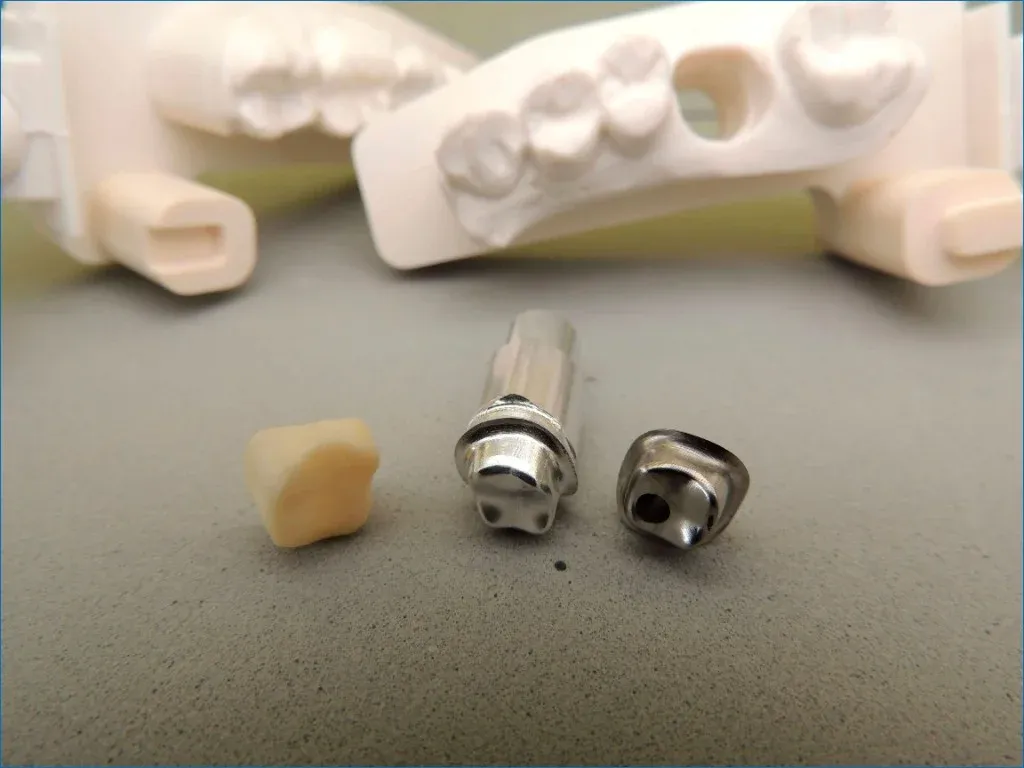
  • Screw-retained zirconia crown on an implant abutment

    Screw-Retained Crowns

    Single and multi-unit screw-retained restorations built to your platform, with access channels placed where you want them.

  • Custom titanium abutment shaped for emergence profile

    Custom Abutments

    Milled custom abutments designed to the emergence profile and the restorative plan, matched to your implant system.

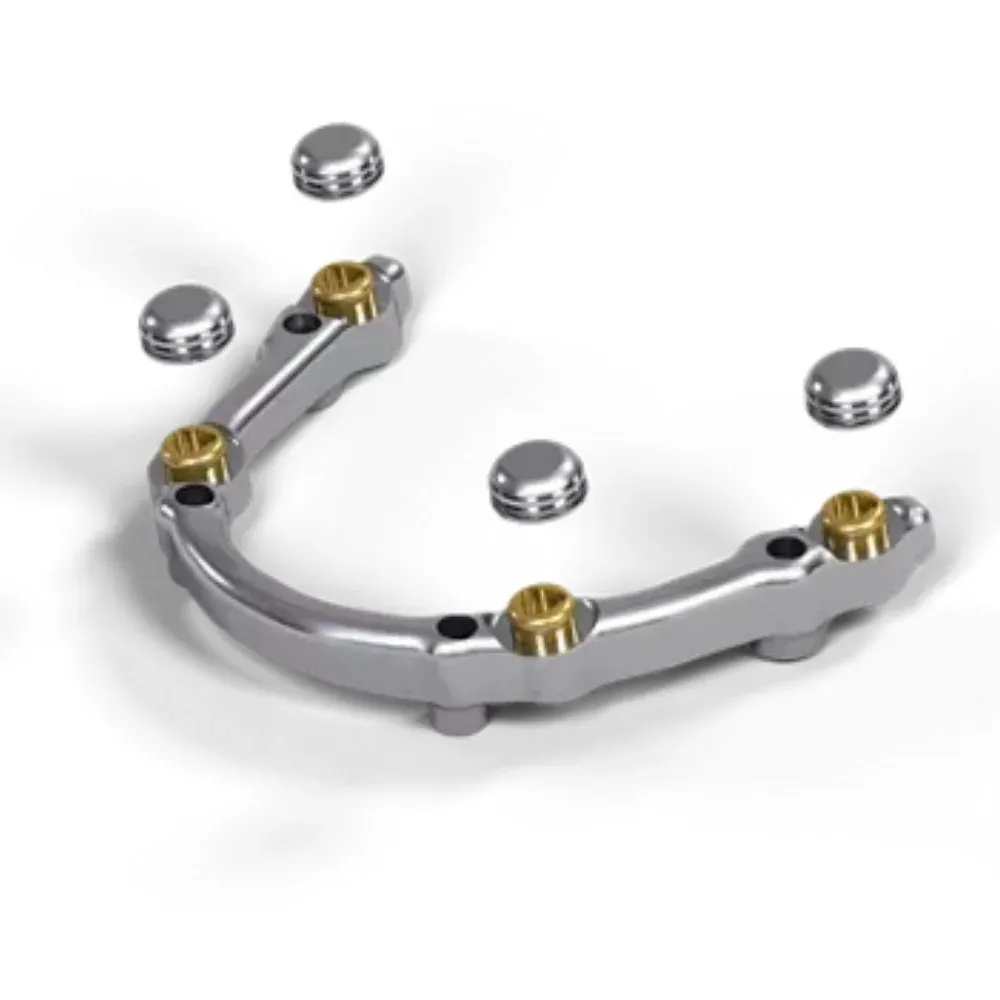
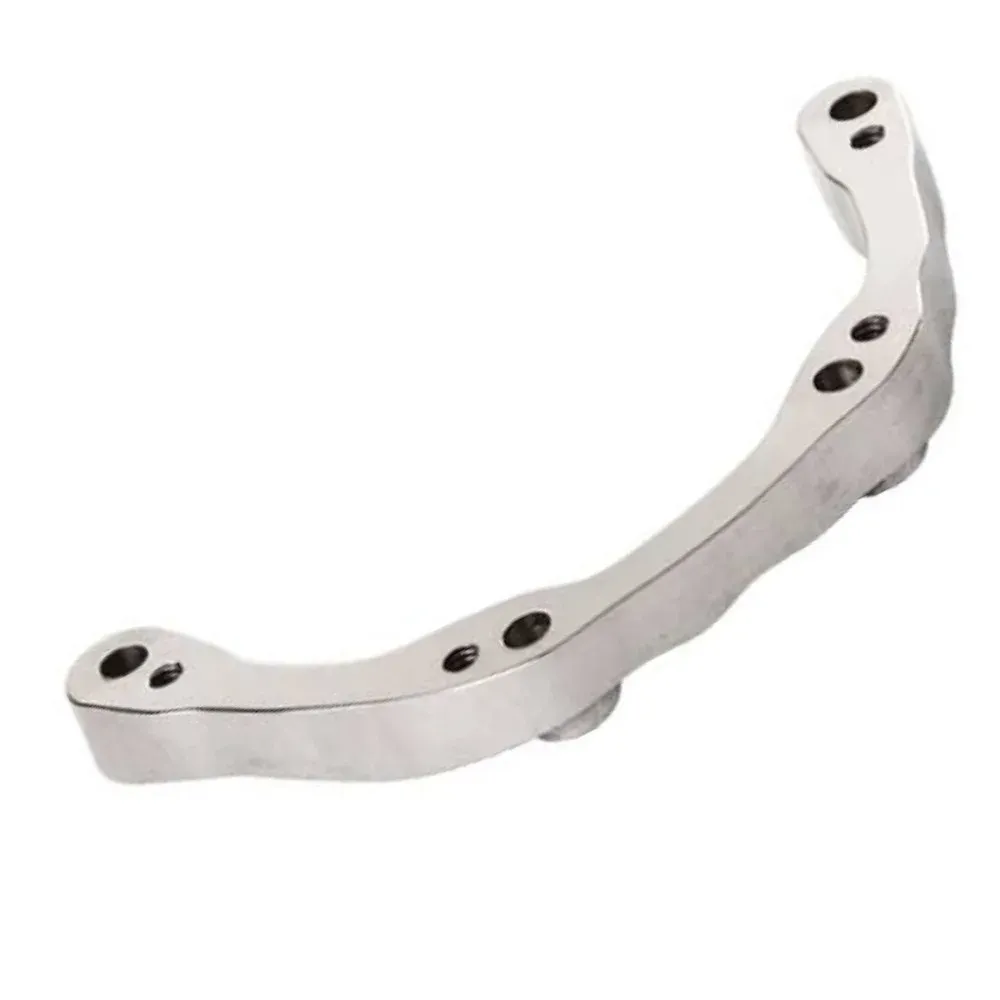
  • Milled titanium bar on a model for implant retention

    Milled Titanium Bars

    Precision-milled titanium bars for fixed and overdenture cases, verified for passive fit before delivery.

  • Finished printed surgical guide with metal sleeves

    Surgical Guide Design

    Tooth- and tissue-borne guides designed from the CBCT and scan, driven by the final restorative position.

  • 3D implant planning scene against CBCT and restorative endpoint

    Guided Implant Planning

    CBCT-based planning that puts the implant where the prosthetic needs it — approved by you before anything is printed.

Open an account

Open a lab account

Tell us the systems you place and how you plan your cases, and we will set the account up, assign your team, and walk your first implant case through with you.

  • One case to start

    Send a single unit or a full-arch plan before you move your volume across.

  • A team, not a queue

    You reach the people planning and building your case directly.

  • Built to your platform

    Send the implant part details and we match the components to your system.

Rather talk it through first?

+1 747-268-0808

132 W. Verdugo Ave, Burbank, CA 91502

We'll come back to you with account details and the first case instructions. Your details go to the lab only — see our privacy policy.

Partner Offer

A Free Intraoral Scanner for Partner Practices

Partner with Universal Dental Lab and we place a 3Shape TRIOS 6 Wireless in your operatory — free for the length of our partnership. Scan the prep, send it in seconds, and skip impressions entirely.