

KeySplint

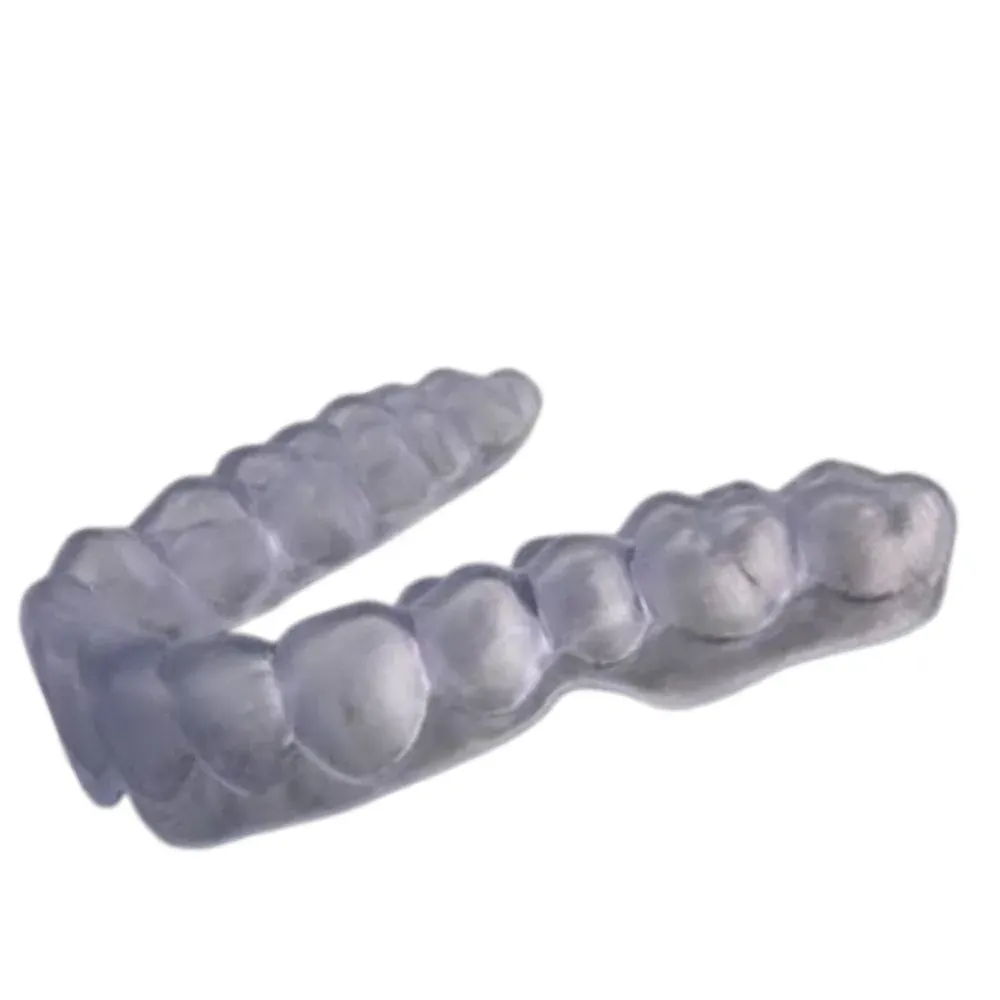
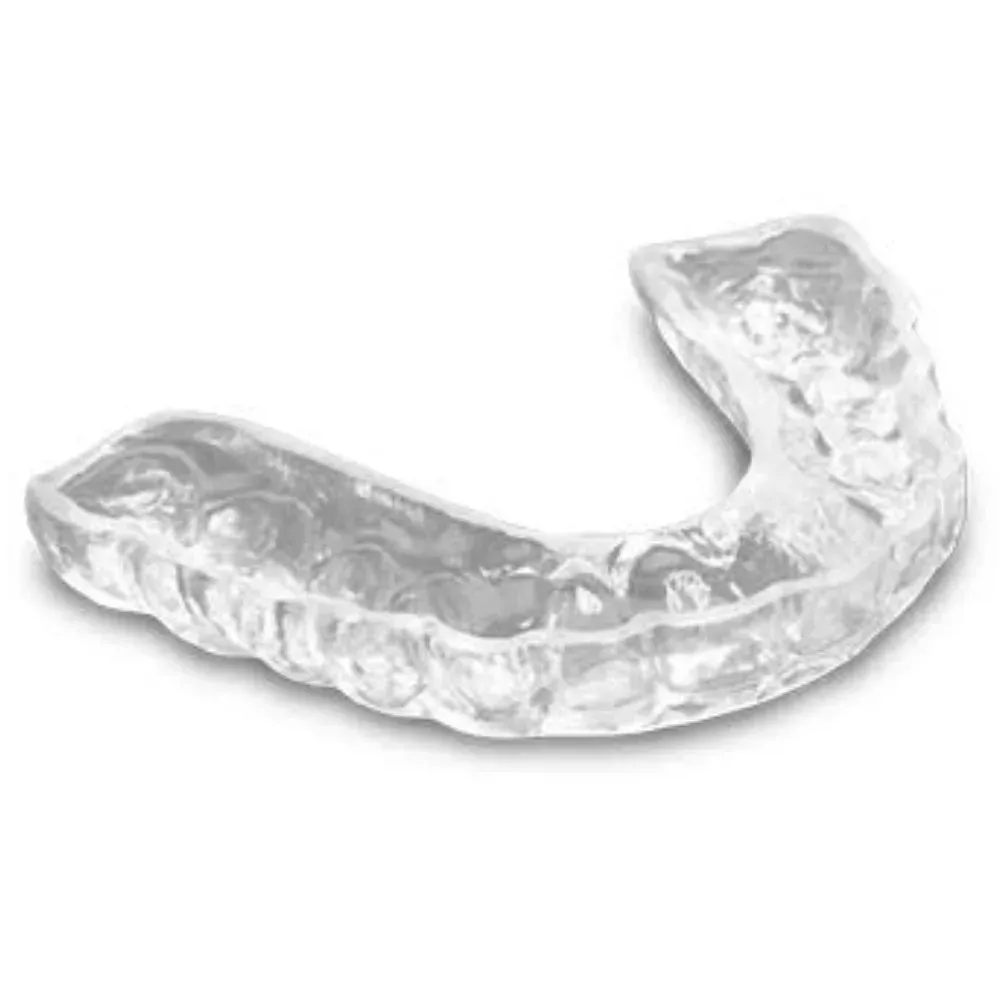
A rigid 3D printed occlusal splint for splint therapy, deprogramming and TMD work — built to the occlusal scheme the practice prescribes, and hard enough to hold it under load.

Rigidity is not a durability feature. It is the reason the occlusion you adjusted into the appliance is still the occlusion in the appliance at the review appointment. For splint therapy, deprogramming and TMD, the scheme is the treatment.

Jahn De Khudikine, Founder · Universal Dental Lab
Jahn De Khudikine Founder · Universal Dental Lab

Why send it here

A rigid splint that doesn't deprogram is just plastic. We set the plane before we mill.

A practice's schedule lives or dies by the lab — I've watched one late case push back a whole day of chair time.

So I still know the cases moving through this lab, and I answer for how each one is made. Send a case here and it doesn't drop into a queue — it lands with me and one technician who carries it start to finish.

Start a case
Rigid by design
Barely deflects under load, so the scheme you prescribed is the scheme the patient loads on Built for splint therapy, deprogramming and TMD
Designed in CAD
Contacts placed against the opposing arch, printed in splint resin and post-cured Cuts cleanly with acrylic burs for chairside adjustment
Your technician
One person holds your case Reach them directly — no call-center queue
Free scanner
3Shape TRIOS 6 for partners Go fully digital at no cost

Rigid or Not

KeySplint, KeySplint Soft or Comfort H/S?

Rigidity is not a quality grade. It is a functional choice, and what this table is really about is what each appliance does with an occlusal scheme once the patient bites into it.

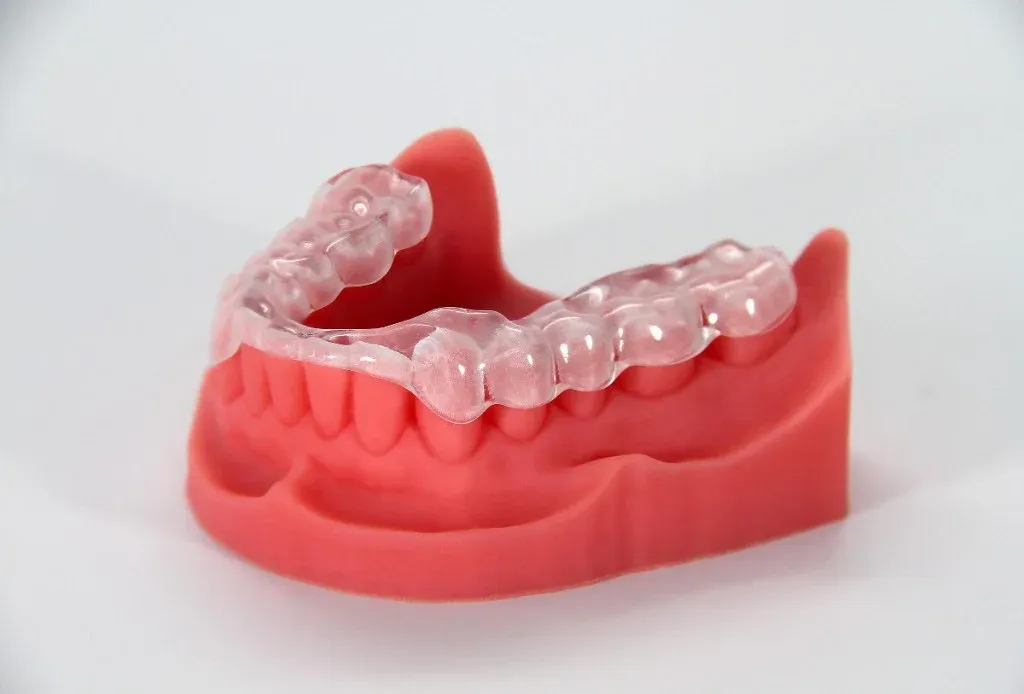
Rigid printed occlusal splint on the master model
KeySplint You are here
Resilient printed splint flexing between the fingers
KeySplint Soft
Dual-laminate guard, hard outer shell over a soft liner
Comfort H/S
Rigidity Hard — printed splint resin, negligible give under load Resilient printed resin — gives under load by design Soft inner layer, rigid outer shell
Holds the occlusal scheme Best choice it does not meaningfully deflect, so the scheme you prescribed is the scheme the patient loads on Moderate held less precisely; it deflects each time it is loaded Moderate the shell holds an adjustment; the liner under it gives
Best for Splint therapy, deprogramming, TMD, heavy bruxism Patients who will not wear a hard appliance Nighttime protection, and retention where a rigid guard slides off

A rigid splint holds whatever is built into it — the strongest possible reason to name the scheme on the RX rather than leave it to the bench. Confirm case-specific requirements with the lab before you scan.

Appliance
Rigid full-coverage occlusal splint
Material
Printed rigid splint resin
Coverage
Full arch, upper or lower
Turnaround
Quoted per case at intake
A rigid printed occlusal splint seated on the master model

Why Rigidity

A KeySplint Holds the Scheme You Prescribed

Rigidity is not a durability feature. It is the reason the occlusion you adjusted into the appliance is still the occlusion in the appliance at the review appointment. You establish even bilateral posterior stops, build in anterior guidance, check the appliance against a seated condylar position — and none of it matters unless the splint still presents that scheme under load. A rigid one does, because it barely deflects.

That is the argument for a hard printed splint in deprogramming and TMD management. It is also the argument against using one on every patient.

  • Holds the scheme: A resilient appliance gives every time the patient bites into it, so the contacts you refined are not quite the contacts being loaded. A rigid one presents the same scheme all night.

  • Compliance is the trade: A rigid appliance barely gives, and some patients never make peace with that. When one will not tolerate hardness, step down to KeySplint Soft rather than lose the wear.

  • Printed, then post-cured: We print in a rigid splint resin and post-cure it before finishing — an under-cured splint is not a rigid one.
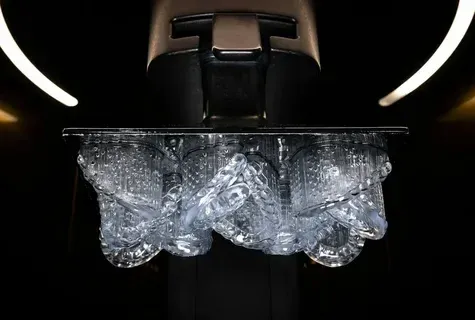
Learn more
A technician refining the contacts on a printed splint under magnification

Where These Cases Go Wrong

Where Rigid Splint Cases Go Wrong

Designing the splint is the straightforward half. The hard half is that a rigid appliance is unforgiving about four things, and three of them are decided before anyone here touches the case.

  • Contact has to be even: A stop on one side and a whisper on the other is not a bilateral scheme, and a rigid splint will hold that asymmetry all night.

  • Guidance has to work through excursion: A scheme that is correct in one position and interfering in another is not a scheme.

  • The intaglio decides whether it seats: Rigid resin does not forgive a surface it cannot pass over.

  • When the RX and the bite disagree: We call rather than quietly pick one.

Learn more

At delivery

Printed resin cuts cleanly with standard acrylic burs and discs — refine contacts and relieve interferences chairside. The step people skip is the polish: a rough occlusal surface abrades the opposing enamel it grinds against every night.

Indications

Splint Therapy, Deprogramming, TMD: Where a Hard Splint Earns It

Indicated for

  • Splint therapy, where a defined occlusal scheme has to survive between appointments
  • Deprogramming ahead of equilibration, restorative reorganization or a full-mouth rehab
  • TMD management and muscle splint work
  • Heavy bruxers who report repeated wear-through of soft and dual-laminate guards
  • Protecting extensive ceramic work from a patient who grinds

Consider an alternative when

  • The patient already failed a hard appliance on comfort. KeySplint Soft is the honest step down
  • The appliance is purely protective, with no occlusal scheme to maintain
  • You want posterior disclusion from an anterior-only device — that is an NTI-tss
  • Severe undercuts make a rigid full-coverage splint hard to seat
  • Teeth are still moving. A rigid splint fits the arch it was printed from, and nothing else
  • Durability is the whole problem and there is no scheme to hold. That is a Talon nightguard

The Splint, Specified

KeySplint Specifications

What the appliance is, what it holds, and what we need from the practice to build it.

How we design, print and finish a rigid splint.
Appliance Rigid full-coverage occlusal splint, digitally designed and 3D printed
Material Rigid splint resin intended for occlusal appliances. Printed, then post-cured before finishing. If your protocol requires a named resin, tell us at intake
Coverage Full arch, upper or lower. The arch is a clinical decision, so put it in writing
Occlusal scheme Built to your prescription. Even bilateral posterior stops with anterior guidance is the usual request, not a house default
Why rigid matters A rigid splint does not meaningfully deflect under occlusal load, so the contacts and guidance designed into it are what the patient loads on. A resilient appliance deflects under that load by design
How the contacts are placed Designed in CAD against the opposing arch from your scan
Chairside adjustment Takes acrylic burs and discs readily. Polish the cut surface back before it leaves the chair
Records needed Both arches, plus a bite registration in the jaw position you want the splint built to
Turnaround Quoted per case at intake

A rigid splint holds whatever is built into it. That is the strongest possible reason to name the scheme on the RX rather than leave it to the bench.

Submitting the Case

Sending a KeySplint Case

Write the scheme down. That one instruction accounts for most of what goes right or wrong on a splint case, and no scanner will supply it for you.

The case needs:

  • Both arches — an STL export from your scanner, or a conventional impression. Tell us the system if it is an unusual one
  • A bite registration in the jaw position the splint is built to, and a note naming that position
  • Which arch carries the splint
  • The occlusal scheme: contacts, guidance, and anything you want deliberately left out
  • A note if this patient has already failed an appliance, and why

That last line gets skipped most often, and it is real information: sometimes a failure says the appliance was wrong, sometimes it says the patient is telling you hardness is off the table. TMD cases and restorative reorganizations are worth a complex case review before you scan. Upload the files, or open an account if this is your first case.

Start a case

Send one case. Keep the scanner.

Open a partner account and your first case moves with a shade record and our remake guarantee — if a unit does not seat, we redo it at no charge.

  • Free 3Shape TRIOS 6 scanner for active partners
  • Under-2% remake rate — remakes at no charge
  • One named technician you reach directly — no call center

Prefer to talk? +1 747-268-0808

No call center — you hear back from the lab, not a bot.

Clinical Questions

What Dentists Ask About Rigid Splints

Because a rigid appliance deflects so little that it is not worth accounting for. Build even bilateral posterior stops and anterior guidance into a hard splint and that is what the patient occludes on. A resilient one gives under load, so it holds the same scheme less precisely. For protection alone that hardly matters. For splint therapy, deprogramming and TMD, the scheme is the treatment.

Yes, and it should be. Printed resin cuts cleanly with standard acrylic burs and discs, so refining contacts or relieving an interference at delivery is straightforward. The step people skip is the polish. A rough occlusal surface abrades the opposing enamel it grinds against every night.

Refining contacts and relieving an interference is routine; the appliance is built expecting it. Removing bulk is another matter. If you are cutting into the occlusal table to chase a gross discrepancy, the adjustment is not the problem — the record the splint was designed from is, and a splint thinned that far under a bruxer is a fracture waiting to happen. We publish no minimum residual thickness, because the honest answer is that a splint needing that much material removed belongs back with us.

Our remakes policy

The record in the jaw position you actually want the splint built to, with a note naming that position. A splint made to a hurried MIP bite is a well-fitting appliance for maximum intercuspation, which is not the goal if the case was meant to deprogram the patient out of it. A rigid splint gives you back the position it was designed to, and nothing else. That cuts both ways.

Review a complex case first

When it argues with the RX. An instruction for even posterior stops in centric relation, arriving with a registration plainly taken in maximum intercuspation, is two different prescriptions in one envelope, and we will not quietly pick the one that is easier to build. You get a call naming the record we actually have, and you decide which of the two you meant. A scan that cannot be read at the margins of the arch will do the same. We quote the date once the records are read, not before.

Switching labs, de-risked

New to us? If a splint does not seat, we remake it at our cost when it is a lab error. And where the RX and the bite record say two different things, we call rather than quietly pick one. See what the remake policy covers.

Partner Offer

A Free Intraoral Scanner for Partner Practices

Partner with Universal Dental Lab and we place a 3Shape TRIOS 6 Wireless in your operatory — free for the length of our partnership. Scan the prep, send it in seconds, and skip impressions entirely.