

Complex Case Review

A second set of eyes on the case that does not fit a template — occlusion, materials and sequencing reviewed with the dentist before anything is committed.

Some cases do not fail on any single tooth. They fail in the seams — an occlusal scheme that was never resolved, a change in vertical dimension that no one signed off on, a material pairing that does not hold, a sequence that boxes in a later phase.

Jahn De Khudikine, Founder · Universal Dental Lab
Jahn De Khudikine Founder · Universal Dental Lab

Why send it here

When the plan has three moving parts, guessing is expensive. We map trade-offs with you before you commit.

A practice's schedule lives or dies by the lab — I've watched one late case push back a whole day of chair time.

So I still know the cases moving through this lab, and I answer for how each one is made. Send a case here and it doesn't drop into a queue — it lands with me and one technician who carries it start to finish.

Start a case
A second set of eyes
The bench that will build it reads it first The conflict is caught before it is cut into a tooth
The whole case
Occlusion, materials and sequencing weighed together One decision cannot quietly undermine another
Your technician
One planner holds your case Reach them directly — no call-center queue
Free scanner
3Shape TRIOS 6 for partners Go fully digital at no cost
Universal Dental Lab Case review sheet

What to send with the case

  • Scans or impressions, both arches
  • Bite registration
  • Photographs
  • CBCT (for implant / surgical elements)
  • Records of existing / failing restorations
  • The specific question to review

A focused case review is far more useful than a general one — tell us what is making the case hard.

How We Work With You

A Complex Case Review Before You Commit

A complex case review is a considered second read from the bench that will build the case. You send the records and the specific question; a technician — and, where the case calls for it, our ceramist — go through the whole case and come back with options, trade-offs and the points worth resolving first.

The read
A considered second read from the bench that will build the case — options, trade-offs and the points worth resolving first, with the reasoning shown rather than a single answer handed down.
What we weigh
The occlusion and existing scheme, the condition of current and failing restorations, the wear pattern, available restorative space, and how the proposed materials interact — the case seen as one system.
Into a plan
Once you decide the direction, the review feeds the wax-up, the smile design or the restorative design, so the case is built on a plan that has already been stress-tested.
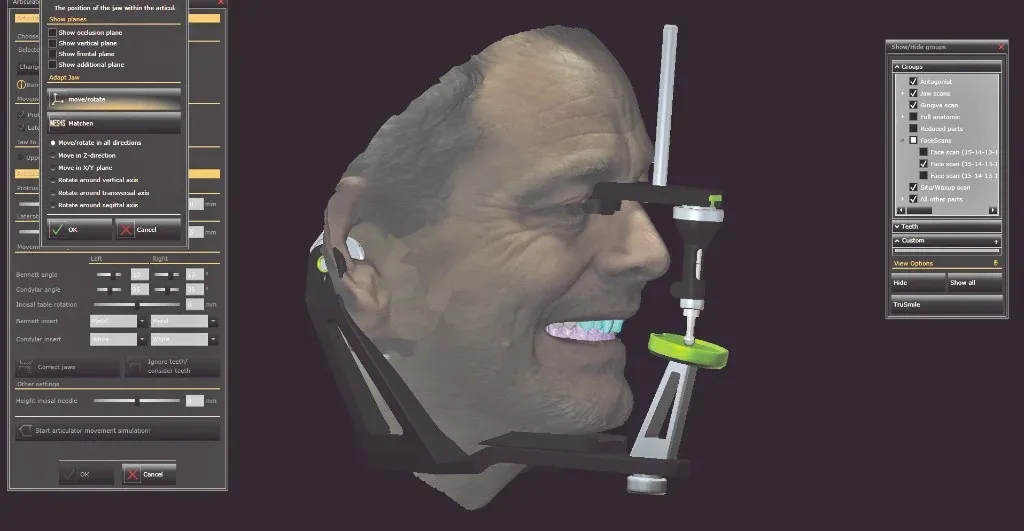
Technician and ceramist reviewing an articulated case and CBCT together on screen

The Review

What We Review Before Proposing a Direction

The occlusion and the existing scheme, the condition of current and failing restorations, the wear pattern and its cause, available restorative space, and how the proposed materials interact. Where an implant or surgical element is involved, we bring the CBCT into the read. The goal is to see the case as one system, not a list of units.

  • Occlusion and vertical dimension: The usual pivots — a plan that looks fine tooth by tooth but does not hold as a scheme.

  • Restorative space: What the opposing dentition leaves you, and whether the proposed materials fit and interact within it.
Learn more
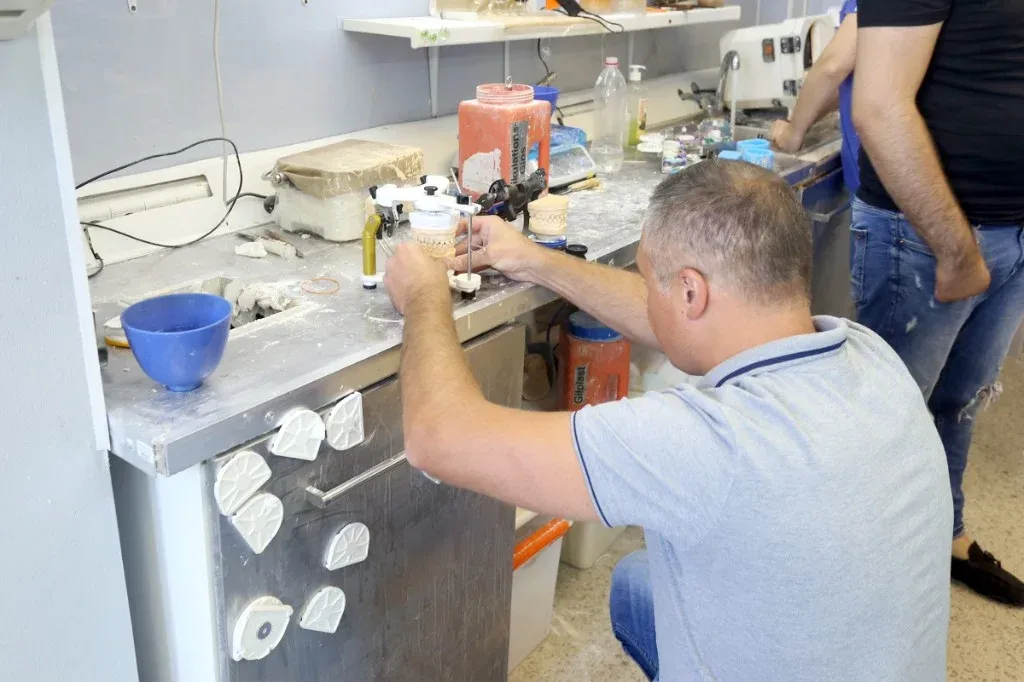
Articulated full-mouth case on the bench with the occlusion being checked

Occlusion & Materials

The Case Weighed as One System

Complex work turns on how the pieces interact — the occlusal scheme against the materials, the vertical dimension against the restorative space, the sequence against every later phase. We weigh them together on the articulated case before a direction is set.

Where the review surfaces a conflict, you hear it with the reasoning — early enough that it is still a decision, not a remake.

  • Material selection: Chosen against the occlusal load and the adjacent work, not in isolation.

  • Sequencing: The order that keeps every later phase possible, decided before any irreversible work.

Learn more

From review to plan

A review is not the end of the conversation. Once you decide the direction, it feeds the wax-up, the smile design or the restorative design — and for implant and full-arch elements it lines up with our dedicated planning — so the case is built on a plan that has already been stress-tested.

The Process

How a Complex Case Review Runs

Five steps from a difficult case landing on the bench to a direction you can build on.

  1. You send the case and the question

    Practice

    Scans or impressions of both arches, a bite, photographs, and any CBCT or existing restoration records. Tell us what is making the case hard — the wear, the failing work, the occlusion, or the multidisciplinary piece you want a second read on.

  2. We review the records

    Lab

    A technician and, where the case calls for it, our ceramist go through the occlusion, the condition of existing restorations, the wear pattern, the restorative space and the material interactions — and flag whatever the records do not answer.

  3. Interdisciplinary read

    Lab

    We look at the case as a whole rather than tooth by tooth: how the occlusal scheme, any change in vertical dimension, the material choices and the sequencing fit together — and where restorative, implant or surgical phases need to line up.

  4. Recommendations and options

    Lab

    You get a considered read with options and their trade-offs — material selection, occlusal approach, a suggested sequence, and the points worth resolving before any irreversible work. Recommendations, with the reasoning shown.

  5. Into a plan

    Practice

    Once you decide the direction, the review feeds the wax-up, the smile design or the restorative design, so the case is built on a plan that has already been stress-tested.

What a review actually buys you

  • A second set of eyes

    A complex case seen fresh by the bench that will build it catches the conflict a busy operatory misses — before it is cut into a tooth.

  • The whole case, not the tooth

    Occlusion, vertical dimension, material interactions and sequencing are weighed together, so one decision does not quietly undermine another.

  • One team through to production

    The technicians who review the case are the ones who design and build it — the plan and the hands that execute it are the same.

Start a case

Send one case. Keep the scanner.

Open a partner account and your first case moves with a shade record and our remake guarantee — if a unit does not seat, we redo it at no charge.

  • Free 3Shape TRIOS 6 scanner for active partners
  • Under-2% remake rate — remakes at no charge
  • One named technician you reach directly — no call center

Prefer to talk? +1 747-268-0808

No call center — you hear back from the lab, not a bot.

Case Review FAQ

Complex Case Review — Questions Dentists Ask

Be specific: whether the wear pattern supports an additive versus reorganized occlusal scheme, if material choices conflict across phases, or which sequence avoids boxing in implants or ortho. A vague “please review” returns generalities; a focused clinical question gets a actionable read you can discuss with the patient.

Much of it, yes — articulated models, photos, and CBCT when implants or bone volume matter. We merge what you send and call out missing records that block the question you asked. Physical casts still help on some wear and VDO calls; tell us if the patient is local and can send models.

How to send a file

Review is the conversation before commitment — feasibility, risks, and sequencing. Wax-up and CAD design are deliverables that execute an agreed direction. Many reviews end with “run anterior case design” or “start implant planning”; others stop at a clearer treatment map without fabrication.

When the question involves implant positions, prosthetic space, or All-on-X staging rather than tooth-borne occlusion alone. We will point you to implant case planning or full-arch planning instead of forcing a general review to cover surgical volume. The goal is the right process, not one inbox for everything.

Full arch case planning

You get a structured read on the question you posed — options, sequencing, and what records the next phase needs. How we deliver it depends on case complexity; the important part is a clear recommendation before you prep or schedule surgery. Follow-on design or fabrication is scoped separately once you agree on direction.

Partner Offer

A Free Intraoral Scanner for Partner Practices

Partner with Universal Dental Lab and we place a 3Shape TRIOS 6 Wireless in your operatory — free for the length of our partnership. Scan the prep, send it in seconds, and skip impressions entirely.