
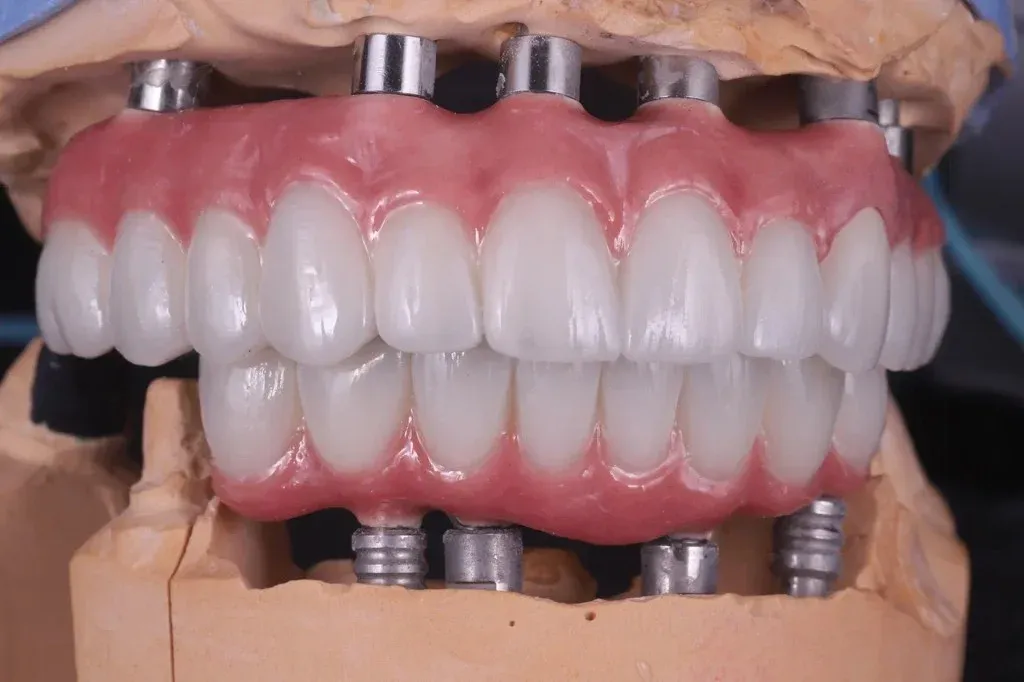
Full Arch Hybrids (All-on-X)

A fixed arch on four or more implants — titanium or zirconia frameworks engineered to seat passively, with the restorative space checked with the dentist before anything is made.

A full-arch hybrid gives an edentulous patient teeth they never take out — but two unglamorous things, passive fit and restorative space, decide whether it lasts. We verify both before we build.

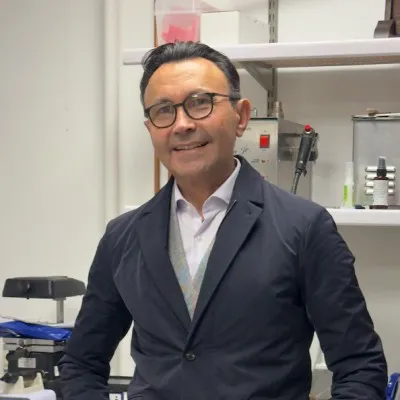
Jahn De Khudikine, Founder · Universal Dental Lab
Jahn De Khudikine Founder · Universal Dental Lab

Why send it here

A hybrid that misses vertical dimension is a remake before delivery. We confirm VDO in the design pass.

A practice's schedule lives or dies by the lab — I've watched one late case push back a whole day of chair time.

So I still know the cases moving through this lab, and I answer for how each one is made. Send a case here and it doesn't drop into a queue — it lands with me and one technician who carries it start to finish.

Start a case
Passive fit
Verified across every fixture before the case is finished Stress kept off the implants and the prosthesis
Space checked first
Restorative height confirmed against the planned prosthesis before we fabricate We say so plainly when it does not work
Your technician
One person holds your case Reach them directly — no call-center queue
Free scanner
3Shape TRIOS 6 for partners Go fully digital at no cost

Prosthesis Comparison

Fixed Hybrid, Overdenture, or the Bar Alone?

Fixed versus removable is a patient decision as much as a clinical one — and every one of these starts with a framework that fits passively. We make all three.

Fixed full-arch hybrid on multi-unit abutments, intaglio contoured for cleaning
Full Arch Hybrids (All-on-X) You are here
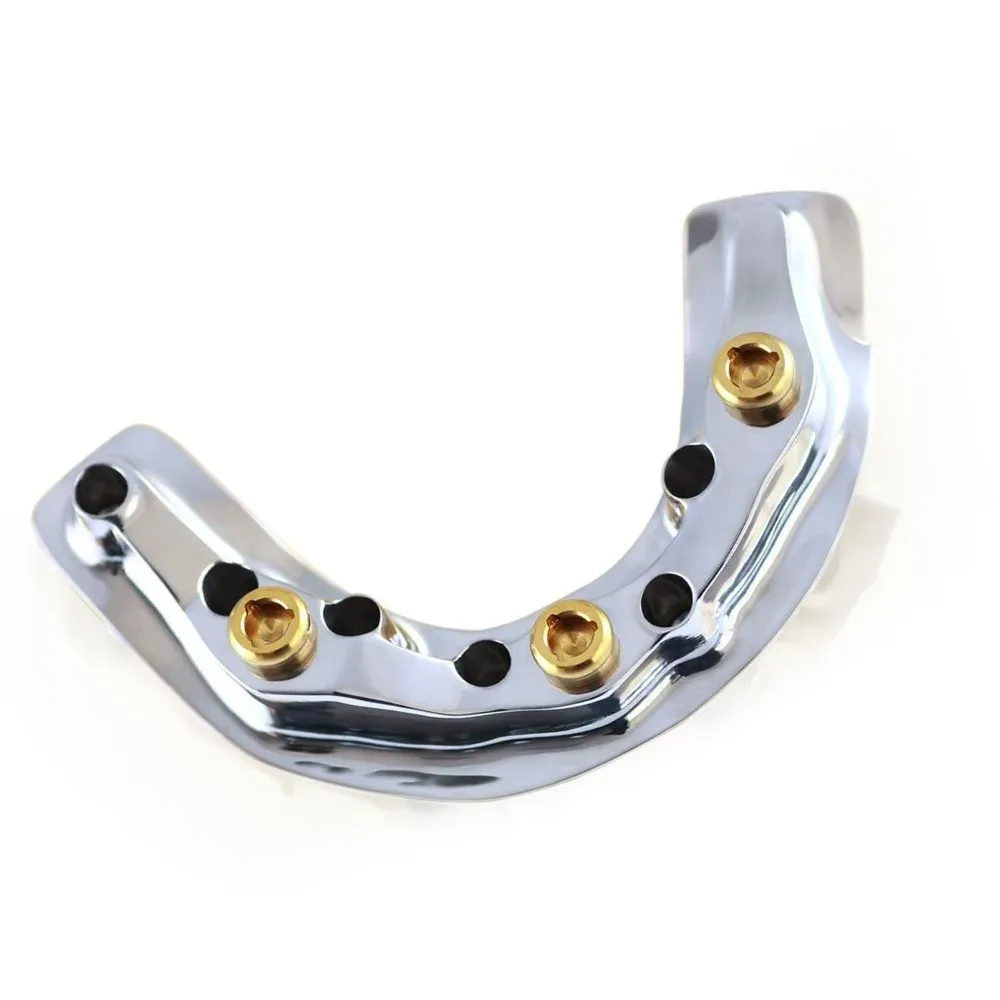
Overdenture retained on an implant bar
Overdenture Bars
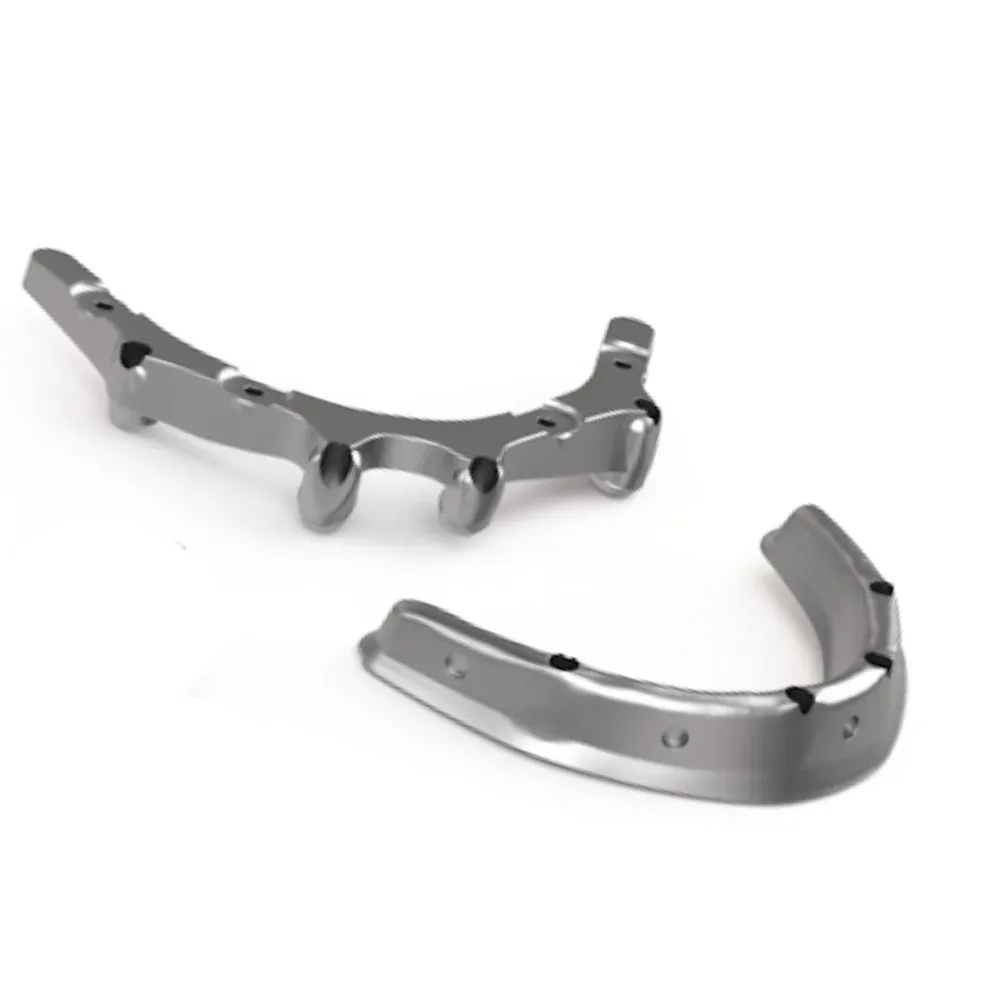
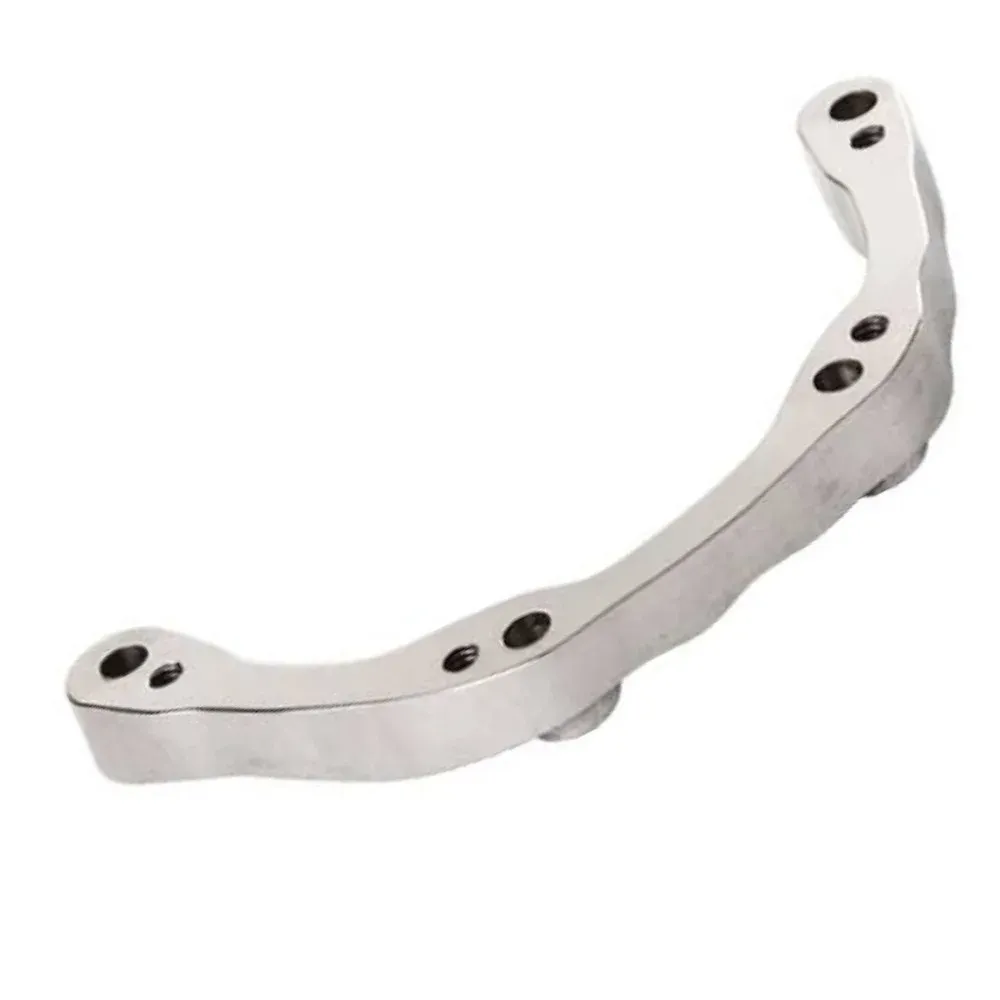
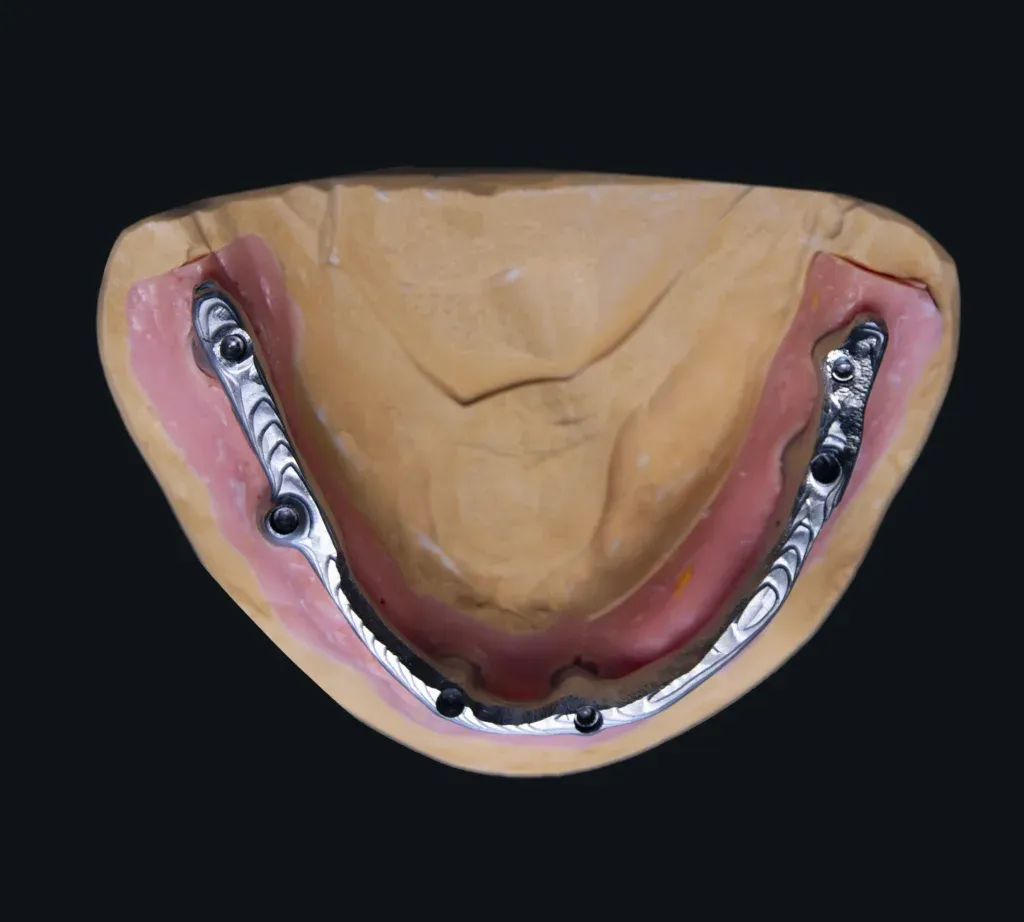
Milled titanium framework on the master model
Milled Titanium Bars
Prosthesis Fixed on 4+ implants Removable overdenture on a bar The milled framework itself
Patient removes it? Best choice clinician-retrieved, not patient-removed Good the patient removes it to clean Good depends on the prosthesis design
Best for Fixed full-arch, edentulous or terminal dentition Retention with removable cleaning, lower cost Passive-fit framework for full-arch work

These are different prostheses, not grades of one product — the honest axis is fixed vs removable and how each is cleaned. Design depends entirely on the implant system, fixture positions, and available restorative space; confirm components and material choice with the lab before you finalize the case.

Design
Fixed, screw-retained on 4+ implants
Framework
Milled titanium or zirconia
Retention
Clinician-retrieved
Turnaround
Quoted per case at intake
Fixed full-arch hybrid seated on multi-unit abutments

Overview

A Fixed Arch, Built on Passive Fit and Real Space

A full-arch hybrid gives an edentulous patient teeth they never take out. It also concentrates the entire load of an arch onto a handful of implants through one framework — which is why two unglamorous things decide whether it lasts.

The first is passive fit. A framework that does not seat passively across every fixture transfers stress into the implants and into the prosthesis itself, and no amount of good material rescues that. We design and verify for passive seating before the case is finished.

The second is restorative space. The framework, the teeth, and the gingival material all consume vertical height, and a hybrid squeezed into inadequate space is the one that fractures. This is precisely why vertical bone reduction is planned into so many All-on-X cases — the space is created deliberately, not hoped for.

  • Passive fit: Designed and verified for passive seating across every fixture before the case is finished.

  • Restorative space: Checked against the planned prosthesis before fabricating — we say so plainly when it does not work.
Learn more
Milled titanium framework verified for passive fit on the master model

At the Bench

Framework First, Verified Before the Teeth

The framework is designed to the confirmed multi-unit abutments and milled, then verified for passive seating across all fixtures before the prosthetic teeth and gingival material go on. The intaglio is contoured so the tissue surface can actually be cleaned — a convex, accessible surface designed, not left to chance.

  • Framework designed to the confirmed components: Milled to the exact implant system and multi-unit abutment details you send.

  • Passive fit verified across every fixture: Checked before the prosthetic teeth and gingival material are added.

  • Cleansable intaglio contours designed in: The patient and hygienist can clean under the prosthesis.

Learn more

Before you build

The framework, the teeth, and the gingival material all consume vertical height. We check the restorative space against the planned prosthesis before fabricating — and if it will not carry the prosthesis you want, we tell you before anything is made, not after.

Case Selection

When a Full-Arch Hybrid Is the Right Call

Indicated for

  • Edentulous or terminal-dentition arches restored on four or more implants
  • Patients who want a fixed prosthesis rather than anything they remove to clean
  • Cases where implant number, position, and angulation support a full-arch framework
  • Immediate-load protocols where a provisional hybrid is delivered at surgery
  • Arches with adequate restorative space for a framework plus prosthetic material

Consider an alternative when

  • The patient would be better served — clinically or financially — by a removable implant overdenture
  • Restorative space is inadequate for a framework plus the prosthetic material it carries
  • Implant number or angulation will not support a full-arch fixed prosthesis
  • Oral hygiene capability makes a prosthesis the patient cannot remove a long-term liability

Specifications

Full Arch Hybrid Specifications

Framework, prosthetic, and record data for planning the All-on-X case.

Typical parameters for the full-arch hybrid prostheses we produce.
Design A fixed full-arch prosthesis screw-retained onto four or more implants — typically via multi-unit abutments
Framework Milled titanium or zirconia framework carrying the prosthetic teeth and gingival material
Prosthetic options Acrylic teeth on a titanium bar, or a monolithic/layered zirconia prosthesis — different esthetics, weight, repairability, and cost
Passive fit The single most important requirement. A framework that does not seat passively across all implants transfers stress to the fixtures and to the prosthesis
Restorative space Critical — the framework, the teeth, and the gingival material all consume vertical height. Inadequate space is a leading cause of fracture and is why bone reduction is often planned
Cleansability The intaglio is contoured so the patient and hygienist can clean under the prosthesis; a convex, accessible tissue surface is designed, not incidental
Immediate load A provisional hybrid can be delivered at surgery where the protocol and primary stability allow; the definitive follows after integration
Retrievability Screw-retained — the clinician retrieves it for maintenance; the patient does not remove it
Records needed Scan bodies or implant-level impressions, opposing arch, jaw relation records, shade, and the exact implant system and multi-unit abutment details
Turnaround Quoted per case at intake; a staged, component-dependent case

Design depends entirely on the implant system, fixture positions, angulation, and available restorative space. Confirm components, material choice, and passive-fit verification with the lab before finalizing the prosthesis.

Case Submission

Sending an All-on-X Hybrid Case

We accept scan body captures from all major intraoral systems, including iTero, 3Shape, and Medit — with the implant and multi-unit abutment details.

Include with the case:

  • Scan bodies or implant-level impressions for every fixture
  • Opposing arch record and jaw relation records
  • Shade and tooth selection
  • The exact implant system and multi-unit abutment details
  • Acrylic-on-titanium or zirconia, and whether the case is immediate-load

If the available restorative space will not carry the prosthesis you want, we will tell you before fabricating. New to the lab? Open an account and we will walk you through the first case.

Start a case

Send one case. Keep the scanner.

Open a partner account and your first case moves with a shade record and our remake guarantee — if a unit does not seat, we redo it at no charge.

  • Free 3Shape TRIOS 6 scanner for active partners
  • Under-2% remake rate — remakes at no charge
  • One named technician you reach directly — no call center

Prefer to talk? +1 747-268-0808

No call center — you hear back from the lab, not a bot.

All-on-X FAQ

Full Arch Hybrids — Questions Dentists Ask

They trade off differently. Acrylic teeth on a titanium bar are lighter, more repairable chairside, and generally more economical — a chipped tooth is a fix, not a remake. A zirconia prosthesis is more durable and holds its esthetics over time, but it is heavier, less forgiving to repair, and demands adequate restorative space. Patient priorities, restorative space, and parafunction should steer the choice, and we will give you a straight recommendation on the case.

Ambiguous implant system or multi-unit abutment details. Send scan bodies or implant-level impressions for every fixture, opposing arch, jaw relation with VDO and centric, and shade. Tell us whether the case is immediate-load or restoring after integration — those paths are different. Guessing components stops the case.

How to send a file

Passive fit and restorative space. We design and verify the framework for passive seating across every implant, and check that vertical height actually supports the framework plus prosthetic material — if it does not, we raise it before fabricating rather than delivering a prosthesis destined to fracture. Cleansable intaglio contours are designed in, not left to chance.

Framework design and verification, then the definitive prosthesis — often with a provisional stage in between. Immediate-load cases are scheduled backward from the surgical date, not a standard lab queue.

Yes — full-arch is where planning pays for itself most. Implant position, angulation, and restorative space determine whether the prosthesis you want is even possible; vertical reduction is often planned specifically to create that space. Bring us in before surgery rather than after.

Full-arch case planning

Switching labs, de-risked

New to us? Bring us in before surgery on a full-arch case — implant position, angulation, and restorative space decide whether the prosthesis you want is even possible, and that is a conversation worth having before the fixtures are placed, not after.

Partner Offer

A Free Intraoral Scanner for Partner Practices

Partner with Universal Dental Lab and we place a 3Shape TRIOS 6 Wireless in your operatory — free for the length of our partnership. Scan the prep, send it in seconds, and skip impressions entirely.