
Traditional Dentures

Staged conventional dentures — impressions through wax try-in to finish — set for retention and occlusion a practice can schedule around.

A complete denture is not a restoration you can rush. The conventional workflow builds it in stages — impressions, records, and a wax try-in — and that try-in is exactly why the method still holds up in a digital lab.

Jahn De Khudikine, Founder · Universal Dental Lab
Jahn De Khudikine Founder · Universal Dental Lab

Why send it here

Your complete-denture case, set and confirmed by one technician.

A practice's schedule lives or dies by the lab — I've watched one late case push back a whole day of chair time.

So I still know the cases moving through this lab, and I answer for how each one is made. Send a case here and it doesn't drop into a queue — it lands with me and one technician who carries it start to finish.

Start a case
Wax try-in
Esthetics, midline, lip support, and vertical dimension confirmed in the mouth before the case is processed Changing them while it is still wax costs nothing
Set to your records
Teeth set to the recorded VDO and centric, processed only after your approval Fit and occlusion verified before delivery
Your technician
One person holds your case Reach them directly — no call-center queue
Free scanner
3Shape TRIOS 6 for partners Go fully digital at no cost

Workflow Comparison

Traditional, Digital, or Implant-Supported?

The complete-denture decision comes down to workflow and, above all, retention. Pick the route the case needs — we make all three.

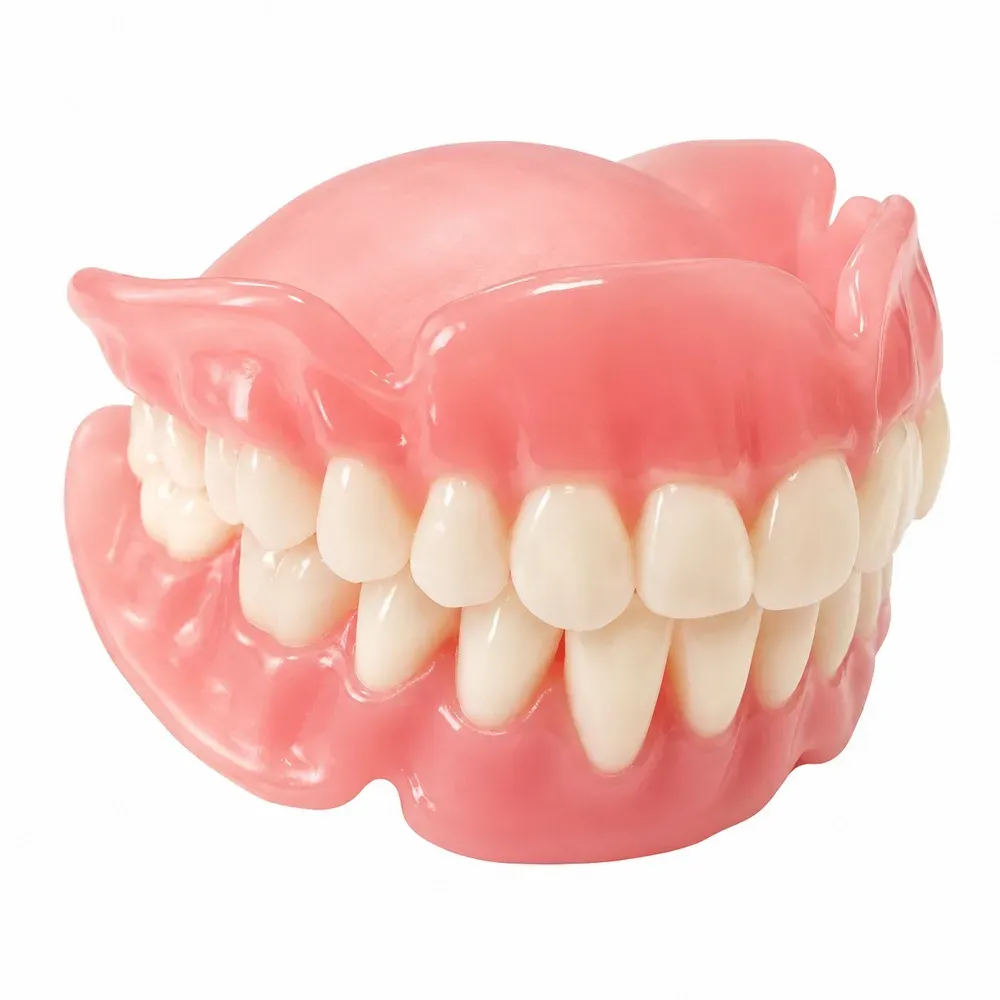
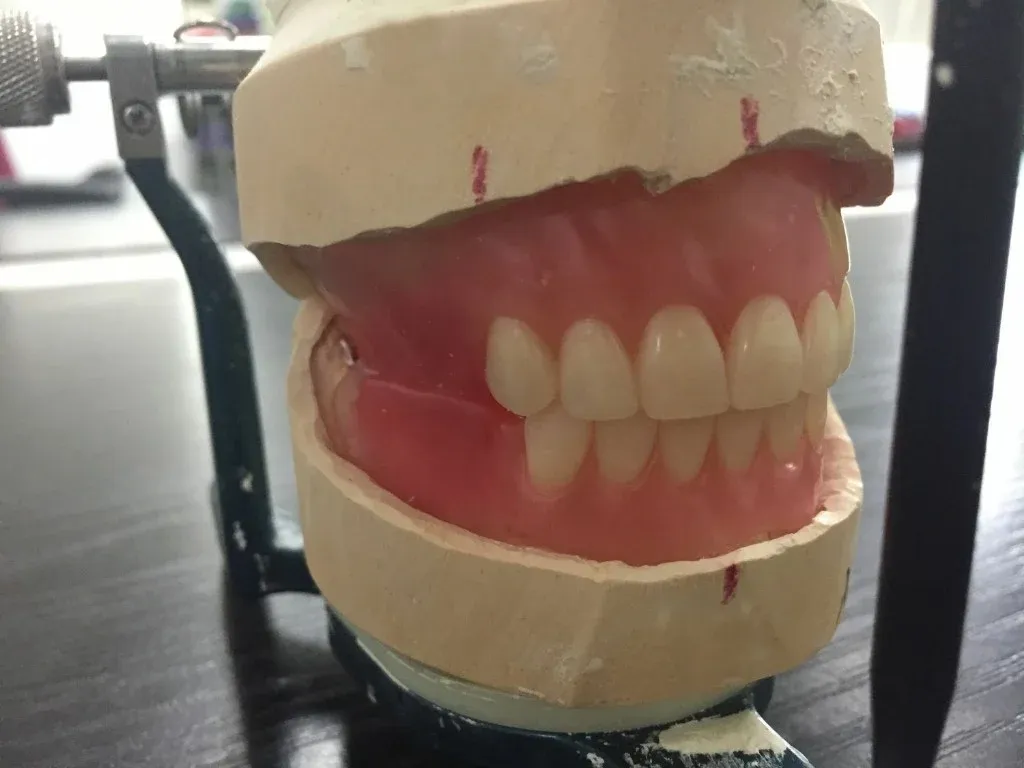
A wax try-in denture mounted on an articulator
Traditional Dentures You are here
A milled digital denture base on the model
Digital Dentures
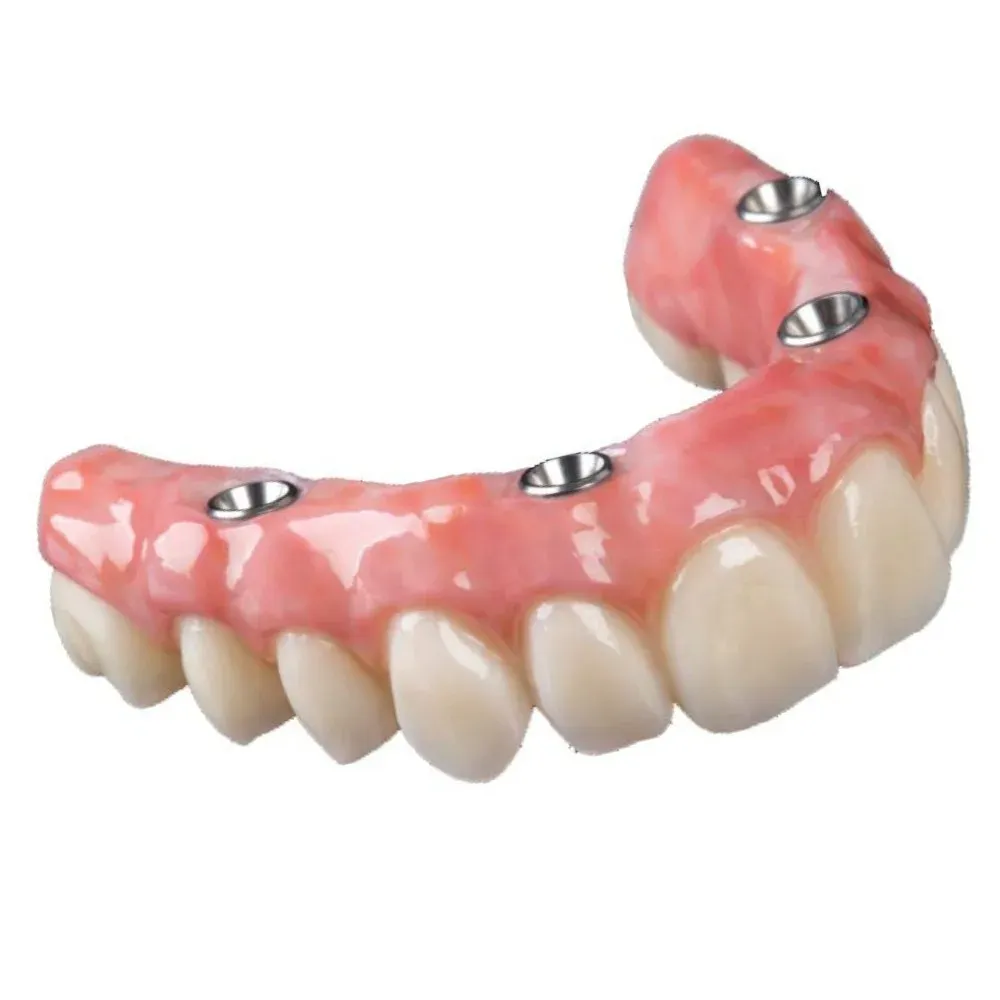
An implant-retained overdenture with its attachments
Implant-Supported Dentures
Workflow Conventional, staged wax try-in CAD/CAM, milled or printed On implants
Support Tissue-borne Tissue-borne Implant-retained
Best for Conventional complete dentures with staged confirmation Fewer appointments, reproducible from a file Retention on a resorbed ridge

Complete denture success depends heavily on the quality of the final impressions and jaw relation records. Confirm the staging and what you want returned at each appointment with the lab before you start the sequence.

Base material
Heat-cured acrylic (PMMA)
Support
Tissue-borne
Checkpoint
Wax try-in
Turnaround
Quoted per case at intake
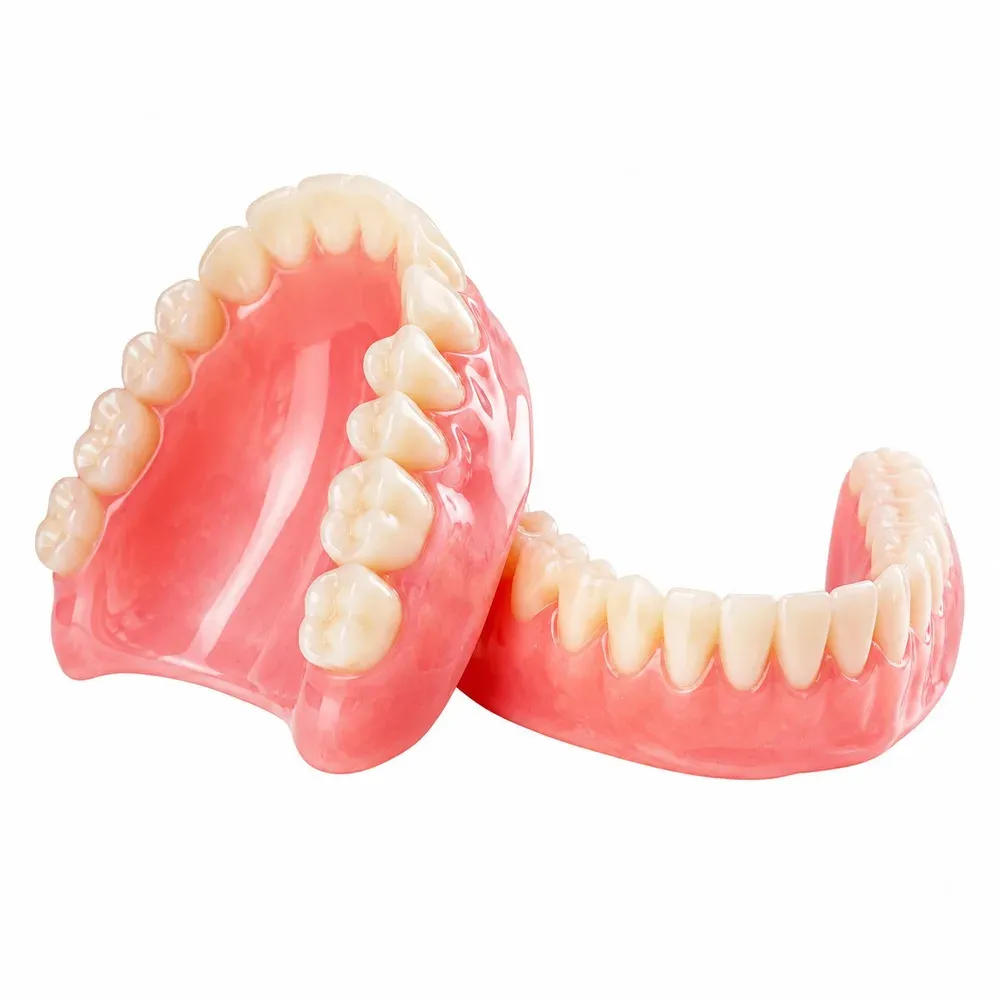
A full denture mounted on an articulator at the bench

Overview

The Conventional Workflow, and Why It Still Works

A complete denture is not a restoration you can rush. The conventional workflow builds it in stages — impressions, jaw relation records, a wax try-in — and that try-in is precisely why the method has outlasted every attempt to shortcut it.

We process traditional dentures in heat-cured acrylic with denture teeth selected for mold, shade, and the patient's face. Retention is tissue-borne: the fit against the ridge, the peripheral seal, and the palatal seal on the maxilla do the work, which makes accurate final impressions and jaw relation records the foundation of the whole case.

  • Wax try-in: Esthetics, midline, lip support, and vertical dimension confirmed in the mouth while changing them still costs nothing.

  • Tissue-borne retention: Fit against the ridge and the peripheral and palatal seal do the work — so the records lead the case.
Learn more
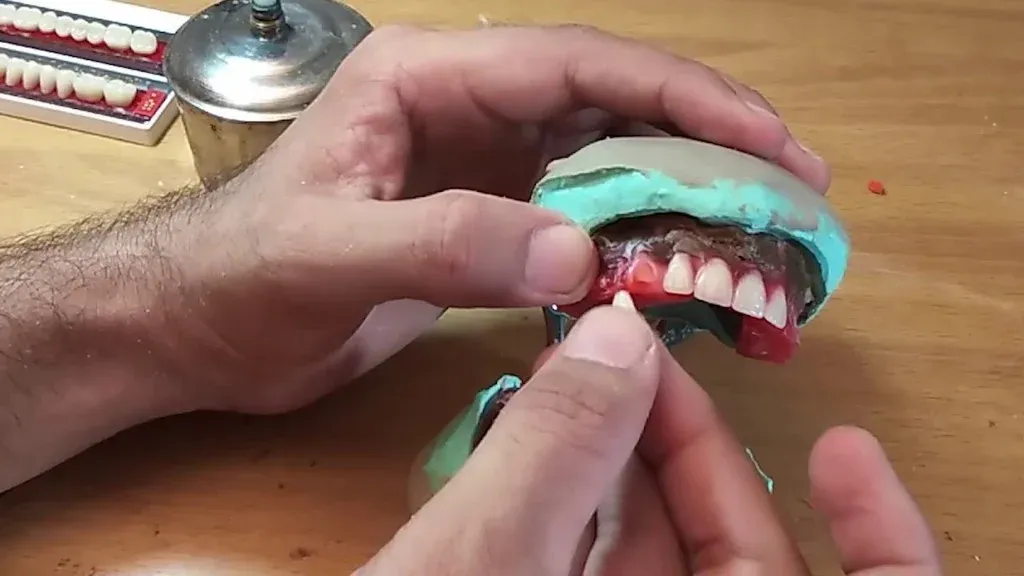
A technician setting denture teeth to the jaw relation records

At the Bench

Set to the Records, Confirmed at Try-In

Teeth are set to your jaw relation records and the esthetic prescription, returned for a wax try-in, and only processed once you have confirmed the result in the mouth. Fit and occlusion are verified before the case is delivered.

  • Set to the records: Teeth set to the recorded VDO and centric.

  • Try-in returned: Wax try-in returned for chairside confirmation.

  • Processed on approval: Finished only after you sign off on the try-in.

Learn more

Before you set teeth

The wax try-in is where the case is won. Esthetics, midline, lip support, and vertical dimension are confirmed in the mouth while changing them still costs nothing — skip it and you find out at delivery.

Case Selection

When a Traditional Denture Is the Right Call

Indicated for

  • Fully edentulous arches restored with a conventional, tissue-borne complete denture
  • Cases where a staged try-in lets you confirm esthetics and vertical dimension before processing
  • Patients whose records are best captured with conventional impressions and rims
  • Situations where a chairside try-in appointment is part of how you like to work
  • Cost-conscious complete-denture treatment without an implant component

Consider an alternative when

  • Retention on a resorbed lower ridge is the real problem — an implant-supported overdenture solves what a conventional denture cannot
  • You want the case archived digitally so a replacement can be reproduced from a file
  • Teeth are being extracted at delivery — an immediate denture is the right sequence
  • A fully digital workflow with fewer appointments suits the practice and the patient better

Specifications

Traditional Denture Specifications

Materials, stages, and record data for planning the complete denture case.

Typical parameters for the conventional complete dentures we process.
Base material Heat-cured acrylic (PMMA) denture base, conventionally processed
Denture teeth Prefabricated denture teeth selected for mold, shade, and the patient's facial characteristics
Support Tissue-borne — retention comes from the fit against the ridge, the peripheral seal, and, on the maxilla, the palatal seal
Clinical stages Preliminary and final impressions, bite rims and jaw relation records, wax try-in, then processing and delivery
Try-in The wax try-in is the checkpoint — esthetics, midline, lip support, and vertical dimension are confirmed before the case is processed
Records needed Final impressions, jaw relation records, VDO and centric, shade and mold selection, and facial photos where esthetics matter
Adjustability Acrylic adjusts, relines, and repairs readily as the ridge changes over time
Maintenance Ridges resorb; periodic relines keep the fit and the peripheral seal serviceable
Restoration types Complete maxillary and mandibular dentures
Turnaround Quoted per case at intake; a staged case runs across multiple appointments

Complete denture success depends heavily on the quality of the final impressions and jaw relation records. Confirm the staging and what you want returned at each appointment with the lab.

Case Submission

Sending a Traditional Denture Case

Conventional impressions and rims are the classic route, and we work that way — we also accept scans from iTero, 3Shape, and Medit where you prefer to go digital.

Include with the case:

  • Final impressions of both arches
  • Jaw relation records — vertical dimension and centric relation
  • Tooth mold and shade selection
  • Facial photos where esthetics or lip support matter
  • What you want returned: bite rims, wax try-in, or processed denture

A jaw relation record that does not hold is the root of most complete-denture remakes — if the records disagree, we will ask before setting teeth. New to the lab? Open an account and we will walk you through the first case.

Start a case

Send one case. Keep the scanner.

Open a partner account and your first case moves with a shade record and our remake guarantee — if a unit does not seat, we redo it at no charge.

  • Free 3Shape TRIOS 6 scanner for active partners
  • Under-2% remake rate — remakes at no charge
  • One named technician you reach directly — no call center

Prefer to talk? +1 747-268-0808

No call center — you hear back from the lab, not a bot.

Traditional Denture FAQ

Traditional Dentures — Questions Dentists Ask

Esthetics, midline, lip support, and vertical dimension are confirmed in the mouth before processing — when changing them is still easy. Most complete denture remakes trace back to a jaw relation that did not hold. We check records for internal consistency and raise a question before setting teeth rather than after processing.

Final impressions of both arches, jaw relation records with VDO and centric relation, tooth mold and shade, and any facial photos that inform esthetics. Tell us where the case is in the sequence — bite rims, wax try-in, or processed denture. Clear jaw relation records are the single most important input.

If the problem is lower retention on a resorbed ridge, no conventional denture will fix that — an implant-supported overdenture is the honest answer. Tell us the ridge condition and the patient’s expectations before you start the sequence.

Both. A conventional complete denture is staged across impressions, records, try-in, then processing. The calendar follows your appointment sequence as much as lab production. Each stage moves faster when the records arriving are complete and clear.

Digital can compress appointments when scanning and archived reprint matter. A demanding esthetic case may still be better served by the full conventional try-in sequence. Send the case details and we will advise on the workflow rather than defaulting to digital.

Digital dentures

Switching labs, de-risked

New to us? If a denture does not seat, we remake it at our cost when it is a lab error. We keep your tooth selection and record notes on file, so the next case starts from what worked on the first. See what the remake policy covers.

Partner Offer

A Free Intraoral Scanner for Partner Practices

Partner with Universal Dental Lab and we place a 3Shape TRIOS 6 Wireless in your operatory — free for the length of our partnership. Scan the prep, send it in seconds, and skip impressions entirely.